

Carmen Emmi’s debut situates us in 1997 Syracuse, where a young cop confronts his sexuality amidst sting operations targeting gay men.
★★★★☆
In today’s pop culture, the 1990s loom large. From TikTok nostalgia cycles to regular reboots and “re-quels” of bubble-gum teen comedies, we’ve devoted countless hours to repackaging the decade as an era of neon sheen and carefree fun. Plainclothes, the debut feature from writer-director Carmen Emmi, chooses not to indulge that fantasy. Set in 1997 Syracuse, New York, the film captures one of the decade’s darker realities: state-sanctioned police entrapment operations against gay men, inspired by real-life events.
The story follows Lucas (Tom Blyth), a young officer from a working-class family, tasked with posing as bait for men cruising in the local shopping mall. His role is simple: sit in the food court, make eye contact or offer the faintest smile, then follow his target into the public restroom and coax them into exposing themselves before handing them over for arrest. When Lucas encounters Andrew (Russell Tovey, leaning into full daddy mode with salt-and-pepper hair and glasses) and can’t bring himself to go through with the arrest, the carefully policed boundaries of his job begin to blur, and the closeted Lucas is pushed to confront his own sexuality — with devastating repercussions.
Emmi’s direction is undeniably strong. His stylistic choices lend the film a suitably voyeuristic texture, with many of the film’s initial sections treating us to close-ups and frame-within-a-frame shots, so we’re often peering through doorways, stairwells and bathroom stalls. There’s a mix of lo-fi, VHS-like footage and grainy shaky-cam that makes the film resemble CCTV surveillance at times — appropriate, given its subject — and recalls both Dogme 95’s cinema verité style and the jittery editing of shows like The Bear or Edgar Wright’s movies. A mixture of aspect ratios also helps reflect the decade, as Emmi toggles between 4:3 and wider alternatives. It effectively situates us in both the 90s and the paranoia of Lucas’s world, but can feel overworked: too many shots of ceiling panels or fluorescent mall lighting risk pulling viewers out of the story just when the performances are drawing them in. Still, the stylistic fussiness never entirely overwhelms the emotional power at the centre.
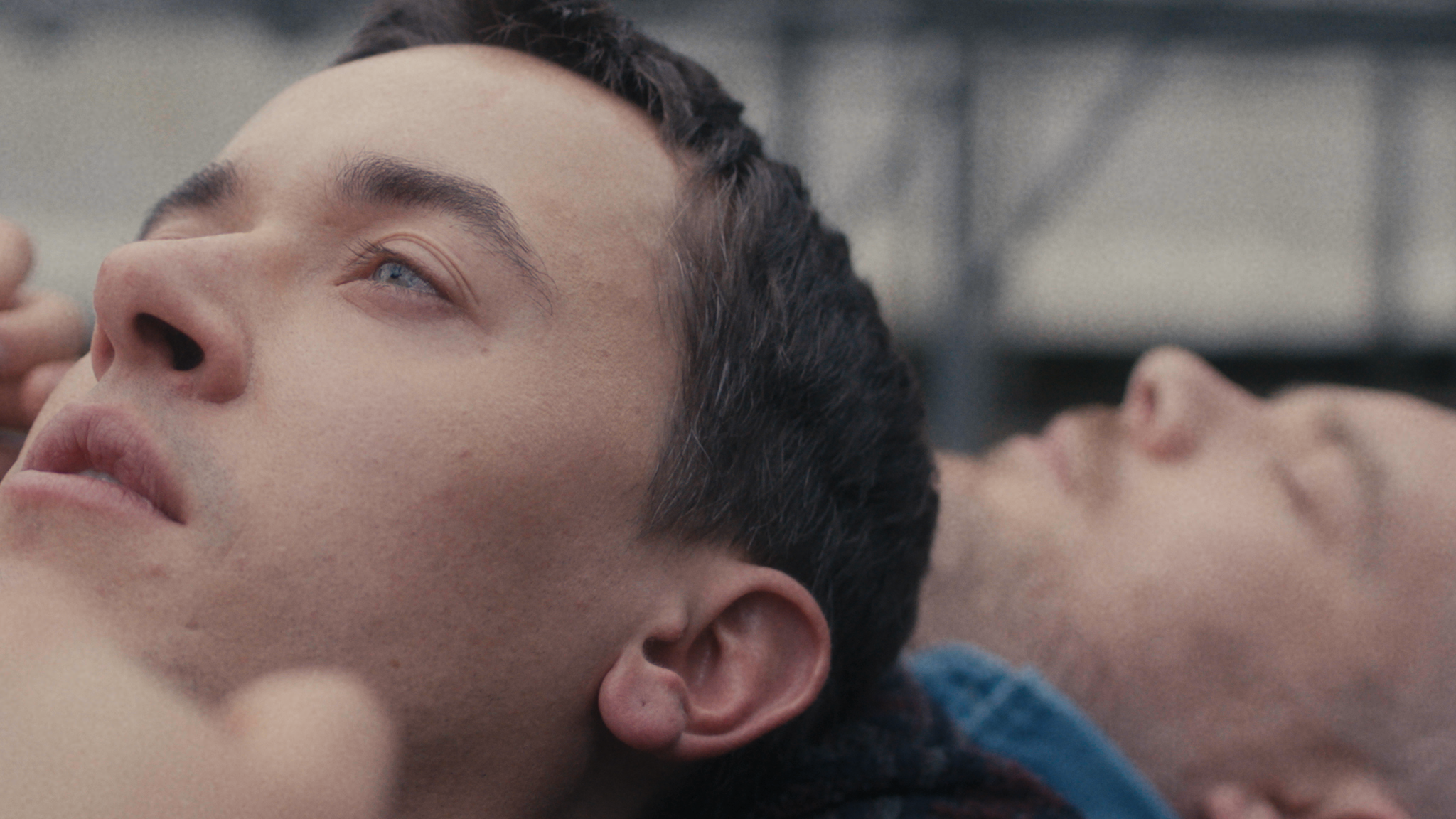
It’s a film that lives and dies on the strength of its acting, and Blyth, shedding his Hunger Games background here for deeper indie fare, is on top form. Tovey is similarly magnetic as Andrew, pulling off (to this non-American’s ears) a flawless Stateside brogue. The chemistry between the two men is immediate and believable, grounding the film in moments of intimacy that cut skillfully through the gritty setting. Amy Forsyth also deserves praise for her understated turn as Emily, Lucas’s girlfriend, whose reaction to his confession of same-sex desire is fortunately sensitive and void of melodrama. A lesser film would have gone the explosive route, but having this play out as sympathetic is a choice that feels quietly radical in its realism.
There’s a particular resonance to watching a movie like Plainclothes today. The title alone suggests the notion of hiding, and the idea that entrapment operations were still in practice in the late 1990s remains astonishing. In 2025, as LGBTQ+ rights face legislative rollbacks in multiple countries, including the UK, the film plays as both historical record and urgent warning. It also joins a broader cinematic shift in how police are portrayed—where 1990s Hollywood was filled with noble cop protagonists, Plainclothes reflects our contemporary mistrust of authority, where we’re more inclined to scrutinise systemic abuse and hypocrisy than lionise it. These days, given the renewed real-world focus on police brutality, it’s increasingly taxing to present a cop as a good guy.
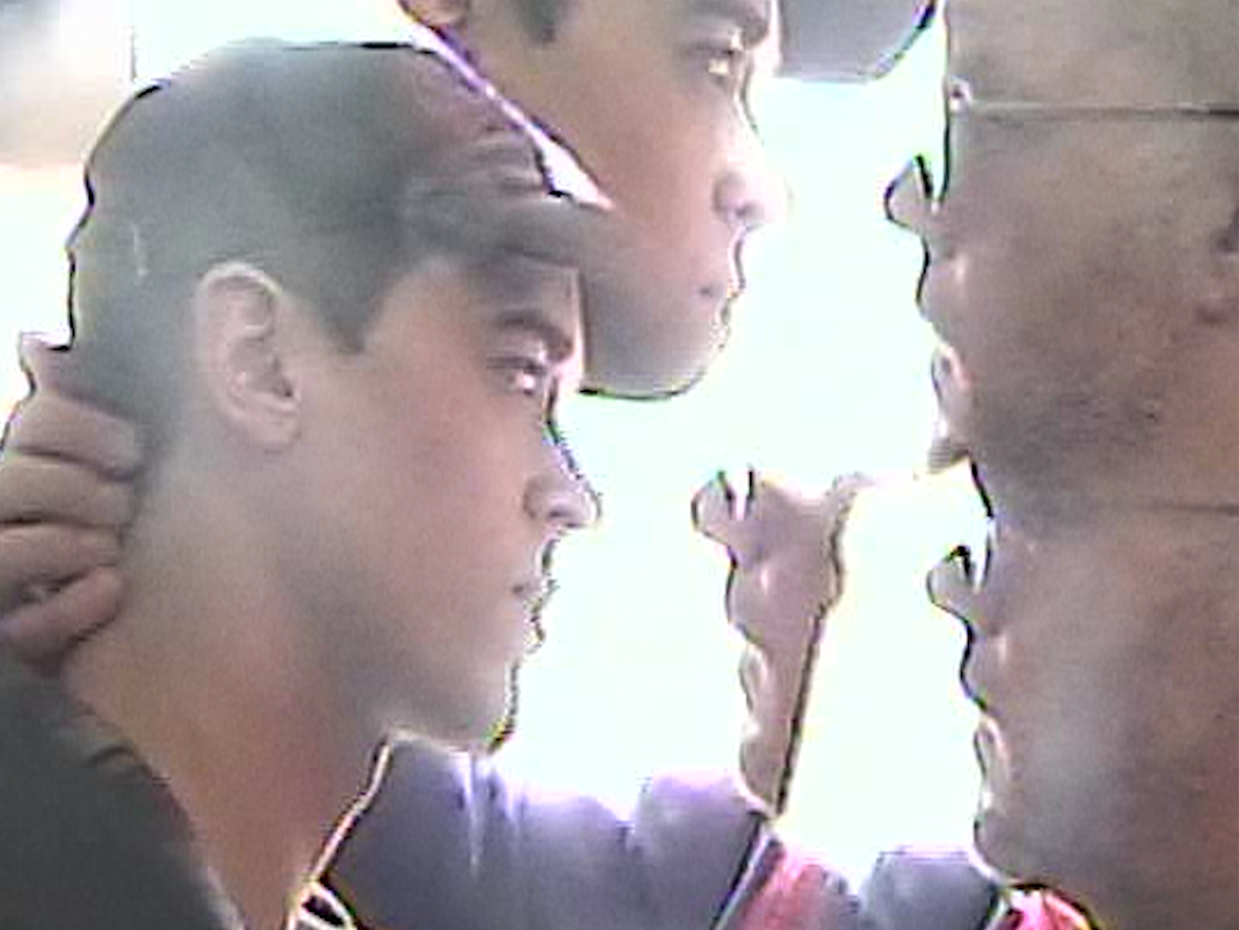
At 95 minutes, the film is slight, but it delves deep enough into its subject matter in its short running time with sensitivity and respect. There are moments of pure tension like the New Year’s Eve sequence with Lucas spiralling under the gaze of family suspicion, and deftly handled quieter moments like Lucas and Andrew sharing intimacy in a cinema’s back room. Plainclothes manages to capture the ache of first infatuation whilst showcasing the true abject horrors of homophobic police-sanctioned laws that were only in action in very recent memory, and for this double achievement, it can’t be faulted.
The Verdict
Plainclothes is a tough but tender debut, buoyed by vivid performances and an unflinching gaze at queer lives lived in fear. Emmi’s stylistic excesses sometimes distract, but the emotional core remains gripping. Both a sobering history lesson and a resonant warning, it is a film that deserves to be widely seen.
Words by James Morton
Plainclothes is released in UK cinemas from 3 October
Support The Indiependent
We’re trying to raise £200 a month to help cover our operational costs. This includes our ‘Writer of the Month’ awards, where we recognise the amazing work produced by our contributor team. If you’ve enjoyed reading our site, we’d really appreciate it if you could donate to The Indiependent. Whether you can give £1 or £10, you’d be making a huge difference to our small team