
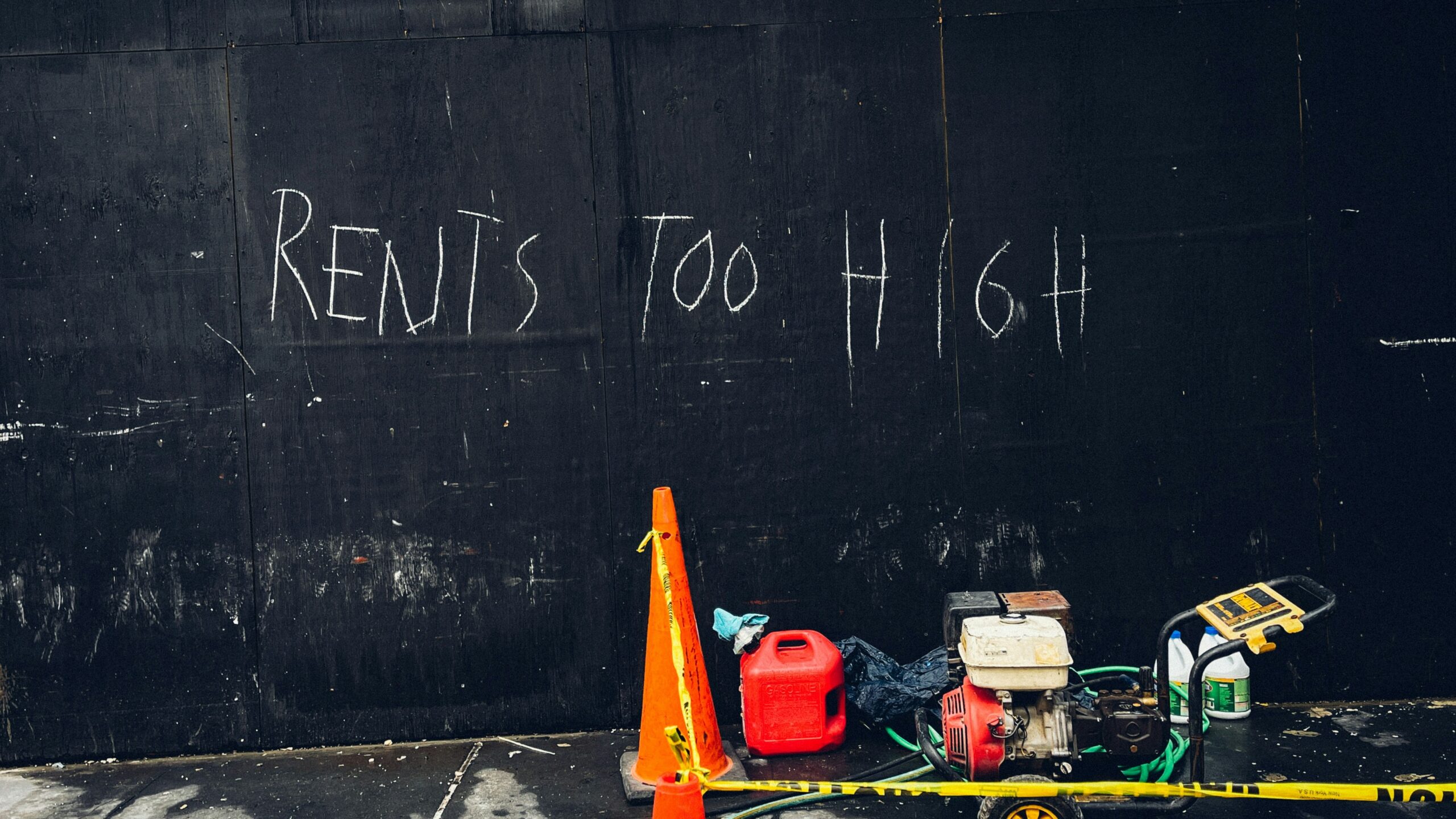
According to the Office for National Statistics, the average renter has seen a 5.9% rise in rent in the past year alone, with the average monthly price climbing to £1,343. This trend is leaving many young professionals unable to support themselves since, even with flatmates, more than half their salaries are being consumed by rent. Similarly, private rents have been steadily increasing over the past few years, rising by 8.9% in the year to April 2024. Not only does this leave little room for other essential living expenses, but it also reduces how much people can save for a deposit or build long-term financial security.
This is not just a ‘London’ problem. Cities like Bristol, Brighton and Manchester, which are hubs for students and creatives, have seen an intensified demand for housing in recent years. Private renters in Brighton spent an average of 44.6% of their income on rent in 2024, well above the 30% threshold that the ONS deems affordable. Not only does this outpace the England-wide average of 36.3%, but it also highlights the systemic pressures facing young professionals across the UK. Despite the employment and lifestyle opportunities city life offers, living within commutable distance of work is becoming increasingly unaffordable. For those in urban areas outside of London, lower local salaries mean climbing rents consume a disproportionate share of income and make saving for a deposit harder — adding to the financial challenges young people face.
Out-of-control rent prices have a clear impact. Young professionals are no longer able to afford homes in their early adulthood despite aspirations to achieve this milestone. In January 1999, the average house price was £67,157. By January 2025, it had risen to £268,548. This represents a nearly 300% increase that far outpaces both inflation and earnings growth. With wages failing to keep up with soaring property costs, the gap between income and housing affordability continues to widen. This leaves many young people in long-term renting longer than they would have anticipated.
Young people are not simply ‘soft snowflakes’ when they highlight this issue. Where previous generations could step onto the property ladder in their early twenties, the current landscape leaves most paying rent well into their thirties (at least). The security that homeownership once offered has been replaced by anxiety over rising rent, stagnant wages and unexpected eviction notices. To help with this, the previous Conservative government introduced the Renters’ Rights Bill which, once implemented by the current Labour administration, will abolish no-fault evictions — ensuring that landlords will no longer be allowed to evict tenants without any valid legal reason.
Even with this positive change, the housing crisis still appears to be outside of the government’s control with schemes like Help to Buy facing heavy criticism. This initiative, which ended in 2023, offered first-time buyers an interest-free loan and the ability to purchase a new-build home with just a 5% deposit, and was criticised for inflating demand and pushing prices up across the market.
Across the Channel, France has implemented rent caps in its major cities, or ‘tense zones’, to directly combat this growing issue. Cities like Paris, Lyon and Bordeaux operate under strict regulations that prevent landlords from charging more than 20% above the area’s median benchmark. Contrast this with cities like Edinburgh — which in 2023 had the UK’s highest rental inflation rate, leading the local authority to declare a housing emergency. Rent caps in major UK cities would not only safeguard tenants but also help rein in the escalating rent crisis.
For young professionals, rent caps can make living in cities more affordable because it leaves more money for savings, essential living expenses and travel. In France, annual rent increase percentages are set by the government, giving tenants greater control over their finances. The stability this provides also reduces the pressure to move frequently — a common issue in London and Manchester where steep rent rises often push tenants out after one or two contract cycles.
If the UK were to implement a similar model in its larger cities, it would rebalance the power between landlords and renters. Predictable rent increases would also allow aspiring homeowners to budget more realistically and enable young professionals to remain in the cities that they have built their lives in. Regulations like these provide a win-win solution to the rental crisis since stable prices encourage longer-term tenancies, fewer inflated property prices and more young professionals and families to living in areas they love. Capping rents in larger cities could also alleviate many renters’ annual pressure of finding new flatmates or repeatedly moving around urban areas.
However, though these policies have provided more stability to young professionals and families in France, critics argue that this model pushes landlords out of the market. Le Monde reported that available rental properties in Paris nearly halved between 2021 and 2024 since landlords opted to convert their homes into short-term lets or remove them from the market altogether. This raises a pivotal question for the UK; would rent caps offer genuine relief for tenants, or would they further shrink supply in an already dwindling rental market?
Even if a top-down policy hurts landlords, the government must act because the housing crisis is more than an economic issue. It is impacting real lives and influencing the decisions that renters across the UK are making. Without systemic reform, the gap between renters and home ownership will continue to widen at an uncontrollable rate and leave future generations trapped. However, change is possible with the correct intervention as seen through France’s successful initiatives. If the UK learns to implement a few of these bold changes, more young people will be able to achieve their aspirations of home ownership with fewer financial burdens.
Words by Maxine Brigue
Support The Indiependent
We’re trying to raise £200 a month to help cover our operational costs. This includes our ‘Writer of the Month’ awards, where we recognise the amazing work produced by our contributor team. If you’ve enjoyed reading our site, we’d really appreciate it if you could donate to The Indiependent. Whether you can give £1 or £10, you’d be making a huge difference to our small team.