
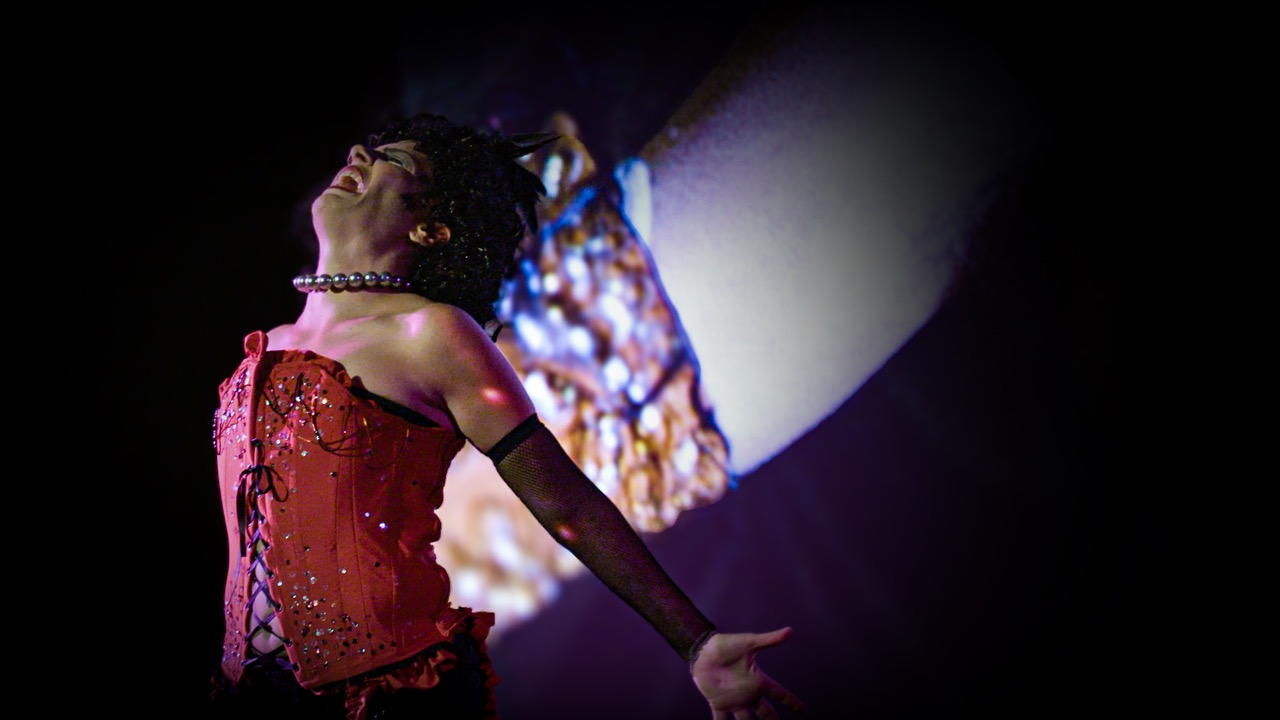
For fifty years, The Rocky Horror Picture Show has defied time, taste, and convention. Midnight screenings still erupt with fans shouting, dancing, and strutting in corsets, fishnets, and eyeliner. To mark its golden anniversary, filmmaker Andreas Zerr dives into the film’s wild history and untamed spirit in his new documentary, Sane Inside Insanity: The Phenomenon of Rocky Horror.
Zerr’s self-financed film, shot across the UK, Europe, Australia, and the United States before concluding in New York City (the birthplace of Rocky Horror’s legendary midnight shows), traces the unlikely rise of the world’s most enduring cult phenomenon, famously led by Tim Curry’s career-defining turn as Frank N. Furter.
Originally conceived as an act of revolt by Richard O’Brien, The Rocky Horror Show grew from a scrappy stage production into a cult phenomenon. As Jackie Roach’s The Rocky Horror Picture Show’s Impact on Queer Communities (2024) notes, it erupted against Nixon-era conservatism: “[it] led to regular midnight showings of the film, and LGBTQ+ people were able to build a nationwide community where they […] celebrate their sexuality with those who understood their struggles.”
Five decades on, these midnight screenings remain a living tradition. But unlike many nostalgic tributes, Zerr’s documentary is both a celebration and a critique, refusing to gloss over the less glamorous truths behind the glitter.
Zerr has often been candid about his unusual position: he isn’t, and never has been, a fan of Rocky Horror. At first glance, that might seem like an odd foundation for such a passion-driven project. But for him, it was precisely this distance that gave the film its edge.
“If you love something dearly, then you naturally want to protect it,” he explains. “Because I don’t love Rocky Horror all that much, I have a much more objective view. We never set out to vilify or glorify; as an independent filmmaker, my goal is to be as unbiased as possible.”
That stance allowed Sane Inside Insanity to explore the show’s less discussed legacy. “Rocky Horror is, as our documentary hopefully reflects, a very good thing,” Zerr says. “It helped a lot of people, but it also has its dark sides. Many stories are kept in the shadows in terms of financial benefit.”
Zerr is referring here to the many who helped bring the show to life but were financially sidelined when Hollywood took control. Richard O’Brien, who was invited by Zerr several times to participate, respectfully declined. “If you’re an independent filmmaker, let alone from Germany,” Zerr added, “it’s pretty hard to get people like Susan Sarandon and Tim Curry for an interview.”
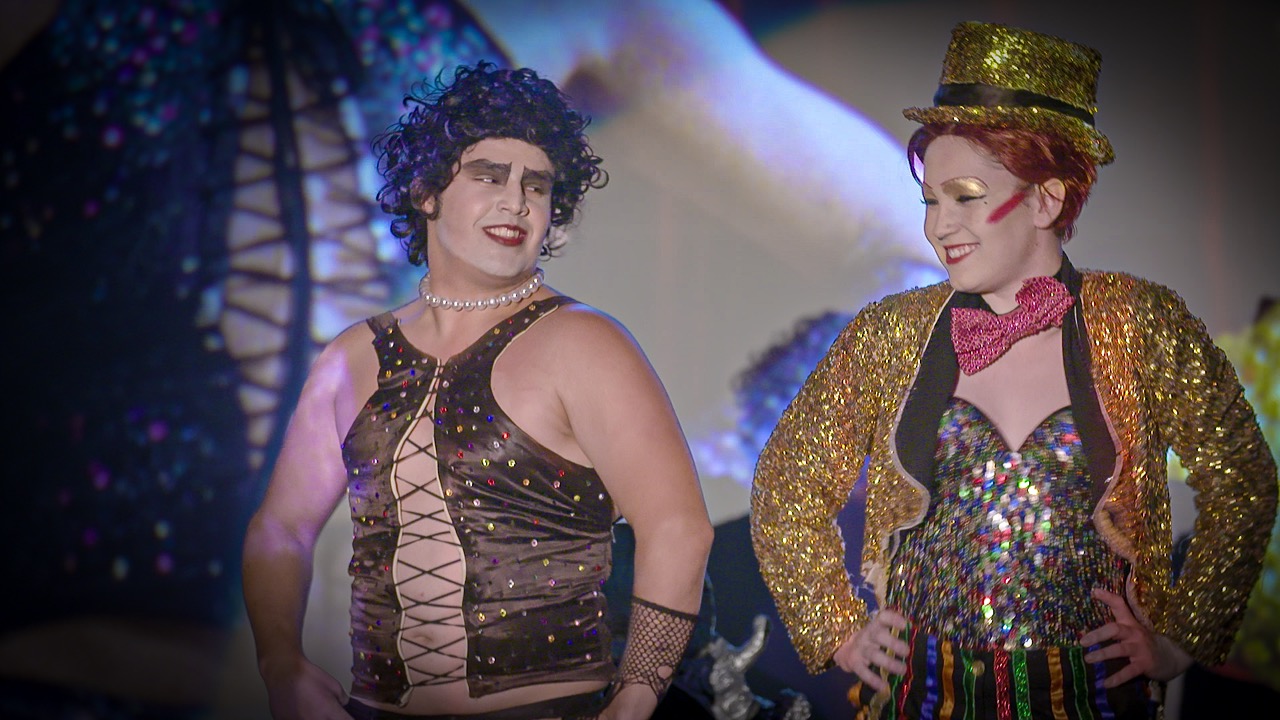
While the absence of Curry, Sarandon, and O’Brien is felt, the documentary shines by giving voice to those often overlooked. Cast members Patricia Quinn, Nell Campbell, Barry Bostwick, director Jim Sharman, music director Richard Hartley, designer Sue Blane, and fan club leader Sal Piro finally share their perspectives on Rocky Horror’s strange journey across generations.
The film highlights not only the enduring legacy of Rocky Horror but also the divisions within its fan community. For some, its survival is a triumph; for others, it marks the loss of the raw, rebellious edge that once defined it. “What we enjoyed in the ’70s was cutting-edge, different, distinct, and rebellious,” one fan recalls. “Now it feels a little more like, ‘let’s make money out of this.’”
Many, however, embrace the film’s evolution, crediting its mainstream popularity with sustaining the phenomenon of shadow casting, where fans perform alongside the movie in real time. “You want people to enjoy the film, that’s what keeps it alive. Without that, it would just fade into obscurity,” one admirer explains. Another fan marvels at its longevity: “It’s absurd, this film opened in 1975, [and] it’s still playing.”
Scott Michaels, co-author of Rocky Horror: From Concept to Cult (2002), observes that “it’s now less about the film and more about the people […] it gives audiences the chance to exercise themselves.”
Zerr echoes this sentiment, contrasting the intimacy of its early run with today’s ubiquity. “Back then, it was a small theatre with maybe 60 people,” he reflects “It felt riskier, grittier, no one knew what they were walking into. Now, everyone knows the songs.” The documentary reinforces these voices with a rich tapestry of fan footage, from elaborate cosplay to full-scale shadow casts. Half a century later, the passion is as fierce as ever.
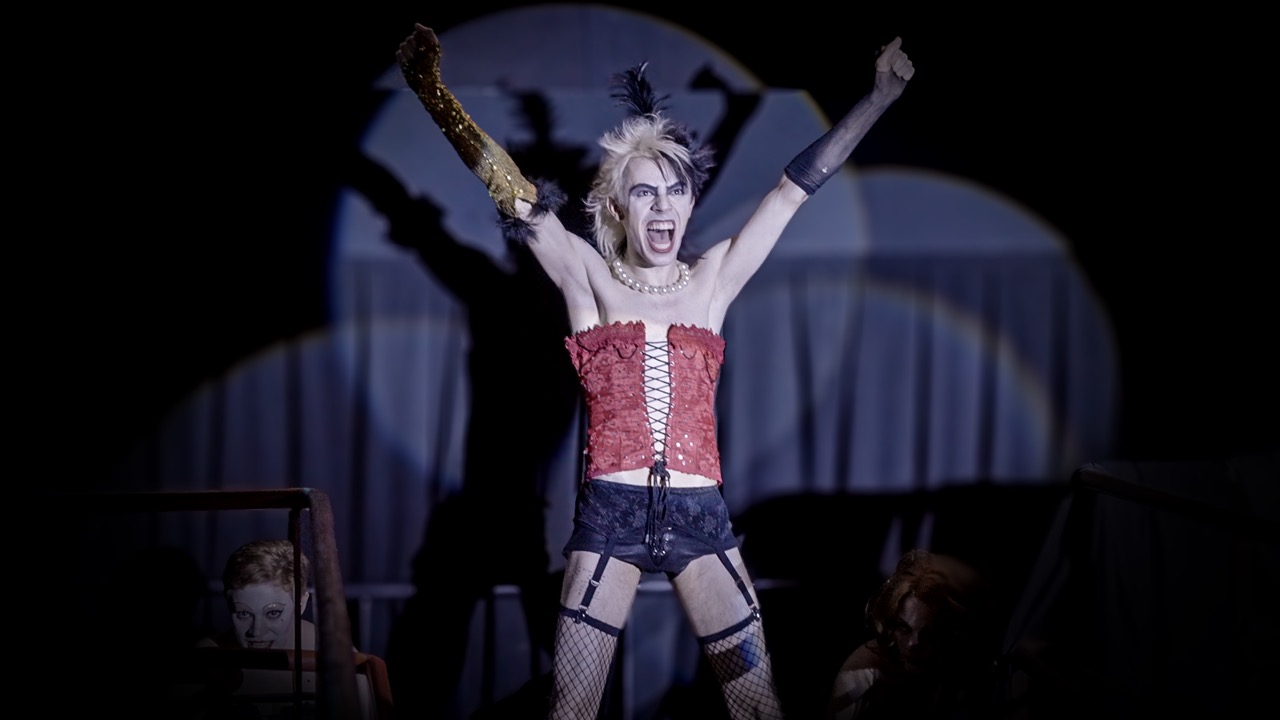
Perhaps the most moving moments come from fans whose lives were forever changed by Rocky Horror. Zerr admits this part of the journey reshaped his own perspective.
“What changed my view was how much it changed people’s lives […] people on the fringes of regular society who struggled to find friends, who wrestled with their bodies, their sexuality, or just shyness,” he says. “Rocky Horror gave them an open and understanding community, which you don’t often find elsewhere.”
Today, with more accepting attitudes toward the LGBTQIA+ community, Rocky Horror feels less like a radical subversion and more like an inclusive, festive party. “Nowadays, people treat it more like a rave,” Zerr observes. “They enjoy the shout-outs and the interactions. It still gives people joy and an excuse to dress up, enjoy themselves, and meet like-minded people. Love it or hate it, it still means something to people.”
Like Rocky Horror itself, Sane Inside Insanity was a scrappy endeavour; self-financed, produced over a decade, but like its subject matter, eventually growing into something greater than the sum of its parts.
The result is a film that embodies Rocky Horror’s core values: inclusivity, difference, and resilience. As Susan Sarandon stated in 1990 at the 15th anniversary, featured in Zerr’s documentary, “Maybe you shouldn’t try to figure it out. Maybe it’s just like love; you shouldn’t try to dissect it.”
More than a history lesson, Zerr’s documentary shows how a strange little show continues to empower outsiders, celebrate nonconformity, and remind the world that sometimes the weirdest, wildest ideas have the longest lives.
Sane Inside Insanity: The Phenomenon of Rocky Horror premiered at the Krakow Film Festival earlier this year and will have its official theatrical release on September 25, 2025.
Words by Joseph Jenkinson
Support The Indiependent
We’re trying to raise £200 a month to help cover our operational costs. This includes our ‘Writer of the Month’ awards, where we recognise the amazing work produced by our contributor team. If you’ve enjoyed reading our site, we’d really appreciate it if you could donate to The Indiependent. Whether you can give £1 or £10, you’d be making a huge difference to our small team.