
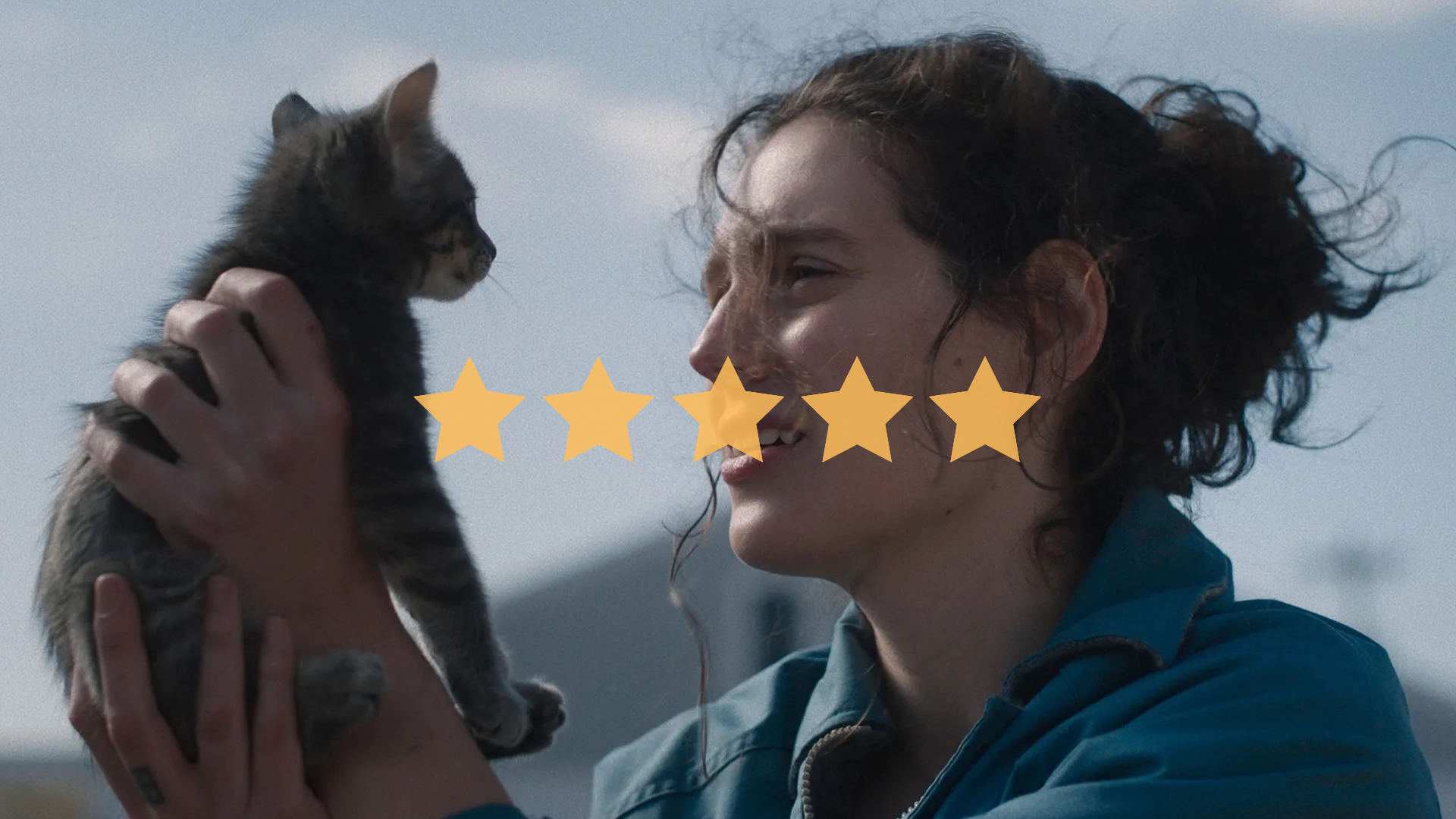
The truth of the matter is, people never stop growing up. They never stop learning things. Even as adults, there’s something new to take in and put into practice.
★★★★★
This is most especially true for people who go through deep trauma and intense hardships. Perhaps it’s the exhaustion of constantly fighting and the overwhelming barrage of rejections; maybe there’s that one event that changes things for the worse. Sometimes, the weight and impact these things can have on one person can halt their progress and put them at a standstill. Then, where do they go from there? Eva Victor’s Sorry, Baby explores the journey of finding a way to move on from the haunting experience of sexual assault.
This debut feature is quirky and quiet, with as much to say through its dialogue as its silence. The film follows a college professor, Agnes (Victor), whose best friend’s visit sparks memories of her time as a graduate. She remembers her group for her final thesis, and working with a mentor with whom she found a delicate connection. All of that is tainted by one night; after coming by his house to discuss her work further, he makes unwanted advances towards her.
Struck with grief and trauma, Agnes finds herself trapped in a stagnant loop of depression and contentment. She lives in the same house, works in the same school, and is now working from the former office of her attacker. Meanwhile, the rest of her group have built lives and moved on, specifically her best friend, Lydie (Naomi Ackie), who is now expecting a child. The film sections the narrative into four chapters, oscillating between past and present.
Exposition can be a wonderful tool when used correctly. In cinema, the general rule of thumb is to show and not tell. Sorry, Baby flips that concept in a very clever manner. The depiction of the “bad thing” that happens is told simply through lingering shots, time lapses, and truncated scenes. The rest of it, Agnes recounts in great detail as she sits soaking in the bathtub, with Lydie supportively by her side. The act itself is never shown explicitly. Instead, the script and acting do most of the heavy lifting, and it works beautifully, resulting in more visceral imagery. It’s a brilliant method of broaching the topic of sexual assault without romanticising it, allowing the character’s raw emotions to speak to the audience and relay in full the layers of doubt, denial, and shock coursing through her at the horror of the experience.
Victor’s script is undoubtedly the star of Sorry, Baby. She has a profound instinct for storytelling that puts thought and emotion at the forefront without discounting the importance of touch and physical implications. Her handling of Agnes is extremely thoughtful and honest, never defining her by what happened to her. The event, however, remains an omnipresent force that lingers, affecting how she perceives people, and vice versa. To her rival, she’s beautiful, smart, and charismatic, never needing to try too hard to gain people’s affections. To her best friend, she’s a frail and fragile being who needs protection. Objectively, Agnes is not a perfect person; she’s selfish, fearing abandonment by her best friend, and rash and impulsive in her interactions with her neighbour and occasional sexual partner, Gavin (Lucas Hedges).
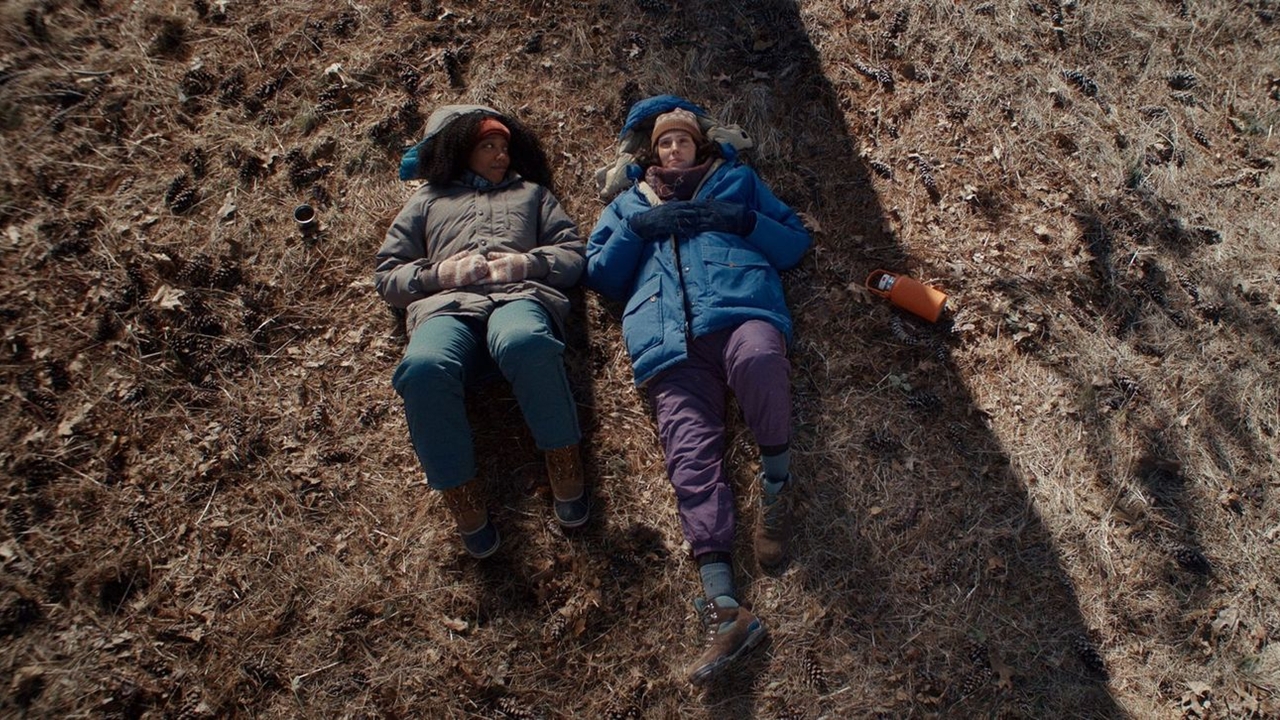
The exquisite performances by the cast elevate the piece. Victor fits perfectly into the mould of Agnes; charismatic and demure, quiet and persistent in her strength. She’s awkward and dark in the right places, with a numbness that can only come from the digesting of a traumatic event. There are parts of Victor’s acting that come across a little stiff or openly vulnerable in not quite the right moments, but, overall, she excels in presenting a grounded and simplistic character with nuance and grace.
Hedges, as Gavin, is an alluring presence. Amidst the heavy introspection and severe anxiety present in Agnes’ fading dynamic with Lydie, characters like Gavin provide a break for the audience, allowing them to marvel at the awkward, shy-boy presentation of someone absurdly and innocently attracted to another human being. John Carroll Lynch also has a brief showing as someone who offers Agnes a burger after an overstimulating panic attack. This short yet meaningfully deep scene encapsulates the phenomenon of humans in need gravitating towards the kindness of strangers, trusting and finding comfort in them. These connections carve a sense of hope within Agnes and the viewers.
Sorry, Baby is visually disarming. There’s an air of effortless nonchalance showcased in the scenes, but each shot, angle and framing is specifically purposeful. It uses symmetry to convey the importance of companionship and loneliness—the relentless joy and contentment of having a warm body next to you, and the suffocating emptiness of being by yourself. Doors and windows are also important symbolic props; signs of encouragement for Agnes to step out and venture into the world, something she’s slowly learning to do. The film highlights these through cinematography, utilising dynamic shots from doors or across two different locations, playing with perspective. There’s duality in this method: maintaining a sense of claustrophobia but also showcasing that there’s more to see on the other side. More than just a captivating script brimming with talented actors, Sorry, Baby is also a charming visual experience.
The Verdict
Sorry, Baby is more than just an exploration of trauma, feminism, and a critical analysis of power dynamics and how official institutions can be parts of the problem. It’s a very human story of stagnation and recovery, of female friendship, and grief—not for the loss of somebody else, but for the loss of the self. Victor’s debut is truly a coming-of-age for the adults, for those uncertain of where to go because of whatever potholes and road bumps there are in life. “Sometimes, bad stuff happens,” as Agnes so eloquently puts it. But that never has to be the end of your story.
Words by Mae Trumata
Sorry, Baby is in UK cinemas from 22 August.
Support The Indiependent
We’re trying to raise £200 a month to help cover our operational costs. This includes our ‘Writer of the Month’ awards, where we recognise the amazing work produced by our contributor team. If you’ve enjoyed reading our site, we’d really appreciate it if you could donate to The Indiependent. Whether you can give £1 or £10, you’d be making a huge difference to our small team.