
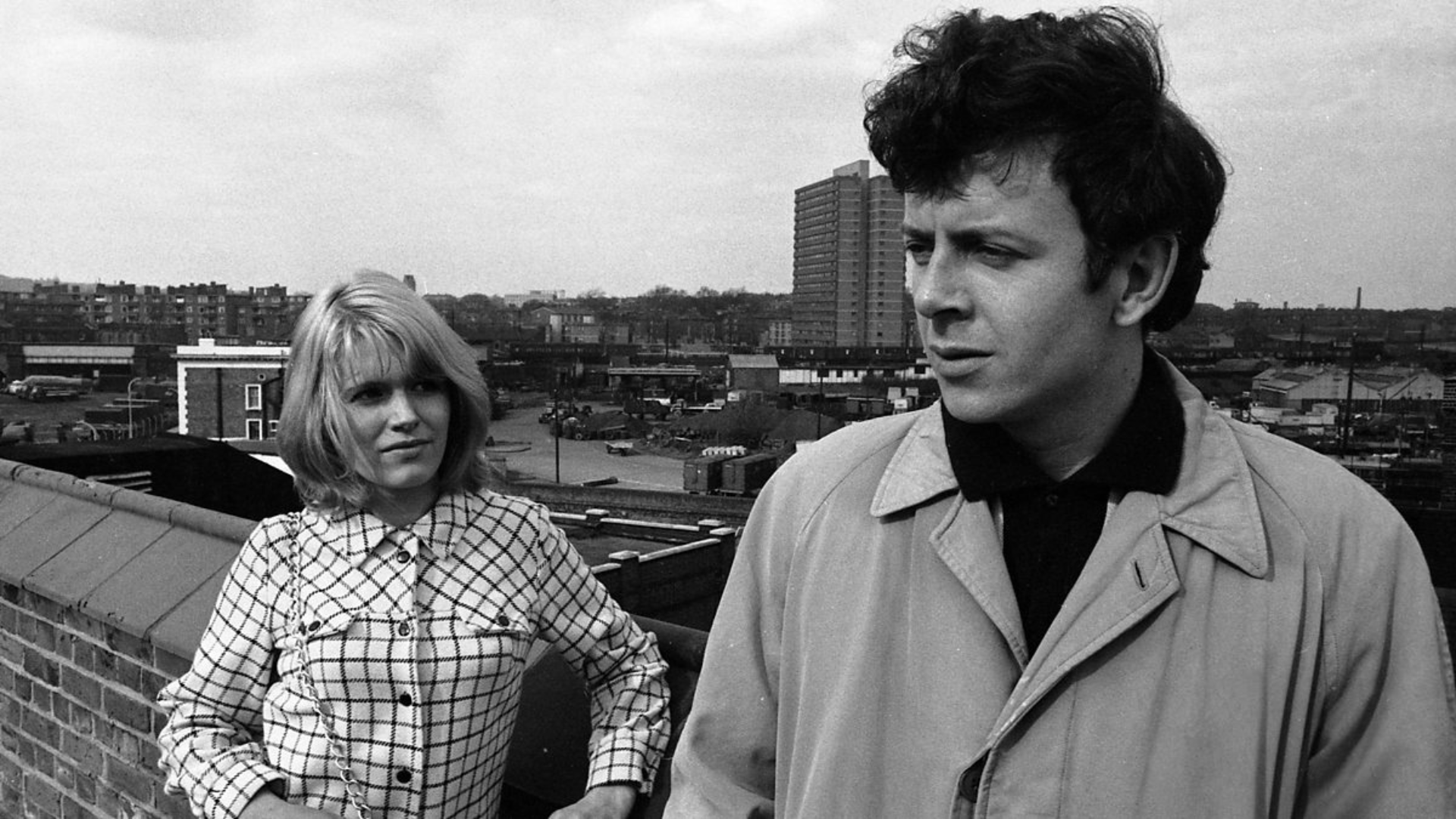
Shifting the spotlight from lavish Hollywood glamour to the everyday struggles of ordinary people, the kitchen sink drama revolutionised British cinema. From the 1950s to present day, the genre has brought raw, unfiltered stories of working-class life to audiences.
The kitchen sink drama is a style of British film, TV and theatre characterised by its realistic portrayal of working-class life and domestic struggles. The genre emerged in the 1950s as a voice for the working-class experience in Britain, reflecting the frustrations of everyday men in the rigid social structure of the time. These plays and novels first emerged from a collection of left-wing writers known as the ‘angry young men’. The group’s works captured the gritty reality of post-war Britain; notably John Osbourne’s 1956 play Look Back in Anger, which challenged the complacency of the era’s social norms.
The term “kitchen sink” refers to the conventions of the genre—focusing on everyday settings and stories against a backdrop of social and economic challenges. Unlike the elegant or escapist films that dominated the industry at the time, kitchen sink dramas highlighted the bleak but honest realities faced by common people, portraying class conflict, family tensions, and youth rebellion.
By the late 1950s the genre had transitioned from stage to film, largely driven by Woodfall Films, a production company committed to bringing these socially conscious stories to a wider audience. Directors like Tony Richardson and Karel Reisz, previously known for their documentary work, merged their observational, authentic style with the drama of fiction to capture the lives of the working-class. Films such as Saturday Night and Sunday Morning (1960), A Taste of Honey (1961), A Kind of Loving (1962) and Billy Liar (1963) became iconic for their portrayal of working-class life, documenting collective and personal struggles through an honest and genuine lens.
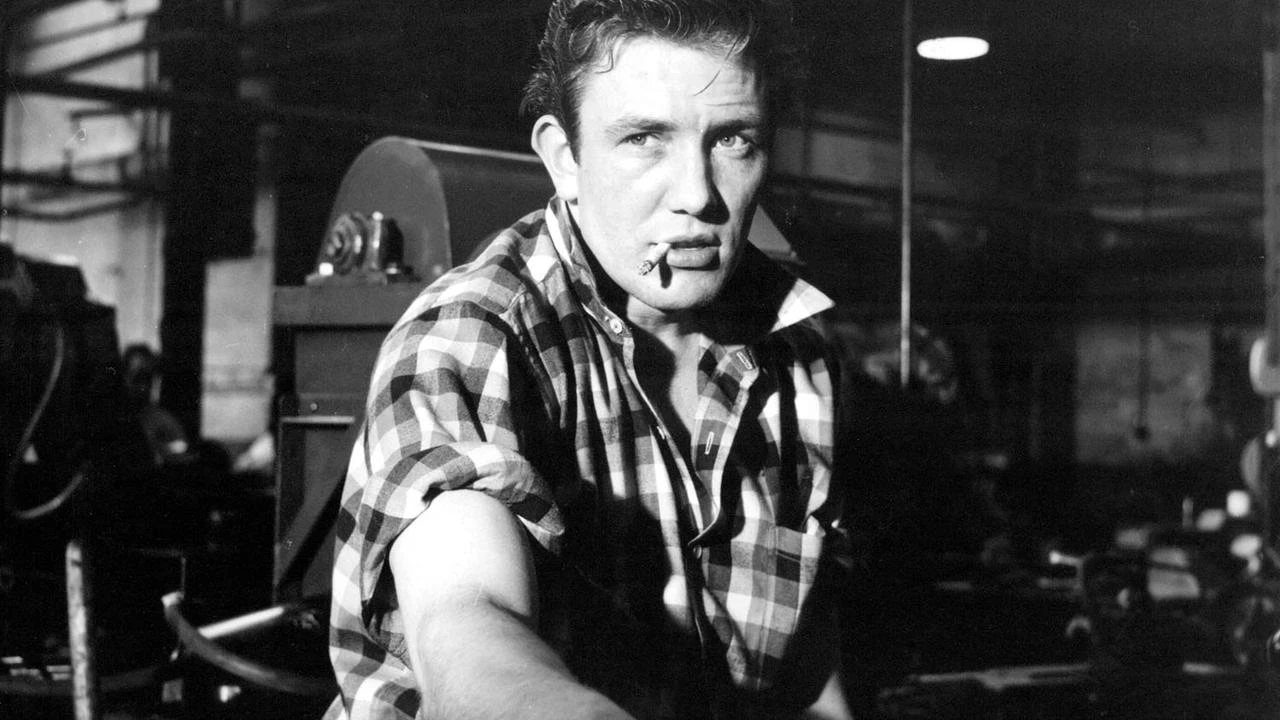
Stylistically, they were groundbreaking. Filmmakers employed handheld cameras to create a raw, documentary-like realism that drew audiences into the everyday lives of their characters. This was complemented by the use of improvisation and shooting in real locations, often in the industrial towns of Northern England, which added authenticity to the narratives. Long takes and naturalistic performances further distinguished these films from the polished productions that dominated British cinema at the time.
This approach was culturally significant because it broke away from the conventional, often idealised portrayals of British life. Historically, British films were often conformist, avoiding controversial social issues and often reducing working-class characters to stereotypes or background roles, with the group’s real experiences largely ignored by mainstream media. The fact that these films challenged this by placing working-class individuals and their stories at the centre was important not only for creating an understanding among broader audiences but also for giving working-class viewers a sense of recognition and representation.
Another defining feature of kitchen sink dramas was their representation of class behind the camera. Many of the filmmakers, writers and actors came from working class backgrounds, adding a layer of authenticity and depth to the stories they were telling. This insider perspective ensured that the films avoided caricature, instead offering nuanced and empathetic portrayals. For example, directors like Karel Reisz often cast underground actors and local talent from the areas the films were shot. Similarly, Saturday Night and Sunday Morning (1960), utilised locations across Nottingham such as factories and real working-class homes to contribute to the film’s accuracy. Mike Leigh, known for his improvisational directing style, often cast a mix of well-known and lesser-known working-class actors so that they could draw on their own experiences—as seen in Secrets and Lies (1996).
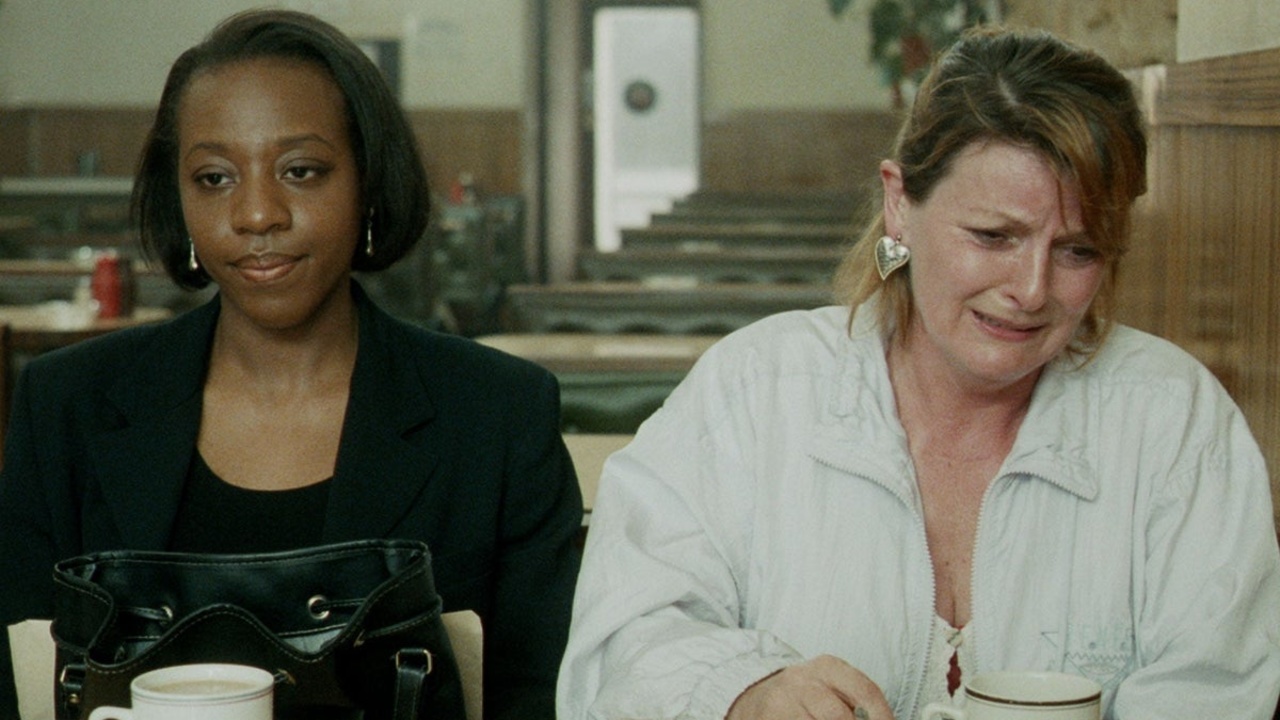
When those creating films have lived experience of the environments and struggles depicted, they can capture subtle social realities that others might misrepresent. This reduces the risk of stereotypes or one-dimensional portrayals, allowing characters to be complex and relatable, which not only strengthens the narrative but also fosters empathy in audiences, making the stories more impactful.
Not only did kitchen sink dramas give the working-class visibility in mainstream media, they also sparked real social awareness and used film as a tool for activism. By exposing the harsh realities of working-class life, these films challenged audiences and policymakers to confront issues often swept under the rug. Cathy Come Home (1966) delivered a powerful portrayal of a family descending into poverty and losing their home, which prompted widespread public debate and is credited with influencing the Housing (Homeless Persons) Act of 1977, and the establishment of charities such as Shelter, which continues to advocate for the homeless to this day.
Despite its critical acclaim and longstanding cultural significance, the kitchen sink drama movement was short-lived. By the mid-1960s, the vibrant and visually dynamic Beatles movies and the action-packed James Bond franchise heralded a transition in public attitudes towards British cinema. Audiences no longer wanted grounded, thought-provoking media, instead returning to escapism on the big screen. Nevertheless, the impact of the genre persists, continuing to inspire modern filmmakers to comment on contemporary social issues with candour and depth.
On the small screen, the genre’s influence on mainstream soap operas is evident: Coronation Street (1960-present) is widely recognised for its concentrated depiction of working-class Britain. The kitchen sink drama extended beyond soaps to impact landmark television plays such as Cathy Come Home (1966), which brought social issues into the homes of millions. Legendary modern filmmakers such as Ken Loach and Mike Leigh continue the tradition of social realism, exploring contemporary social issues. Through these lasting influences, the kitchen sink drama has left a profound mark on both British film and television.
Words by Zoe Lett
Support The Indiependent
We’re trying to raise £200 a month to help cover our operational costs. This includes our ‘Writer of the Month’ awards, where we recognise the amazing work produced by our contributor team. If you’ve enjoyed reading our site, we’d really appreciate it if you could donate to The Indiependent. Whether you can give £1 or £10, you’d be making a huge difference to our small team.