
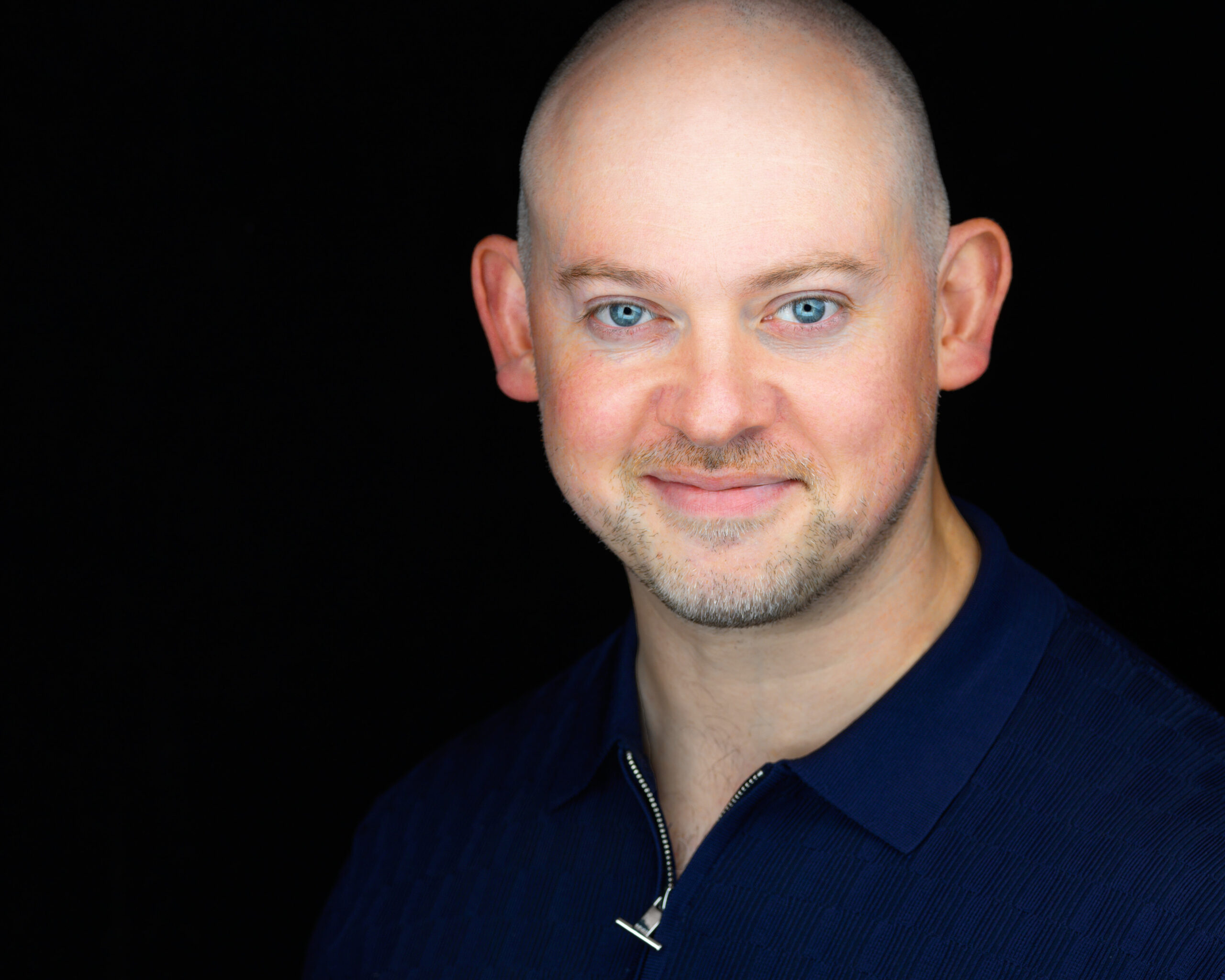
Nearly a decade after its debut, the critically acclaimed VR murder mystery The Invisible Hours is poised for a comeback. We spoke to writer-director Rob Yescombe about reclaiming the rights, why the game was ahead of its time, and what the future might hold.
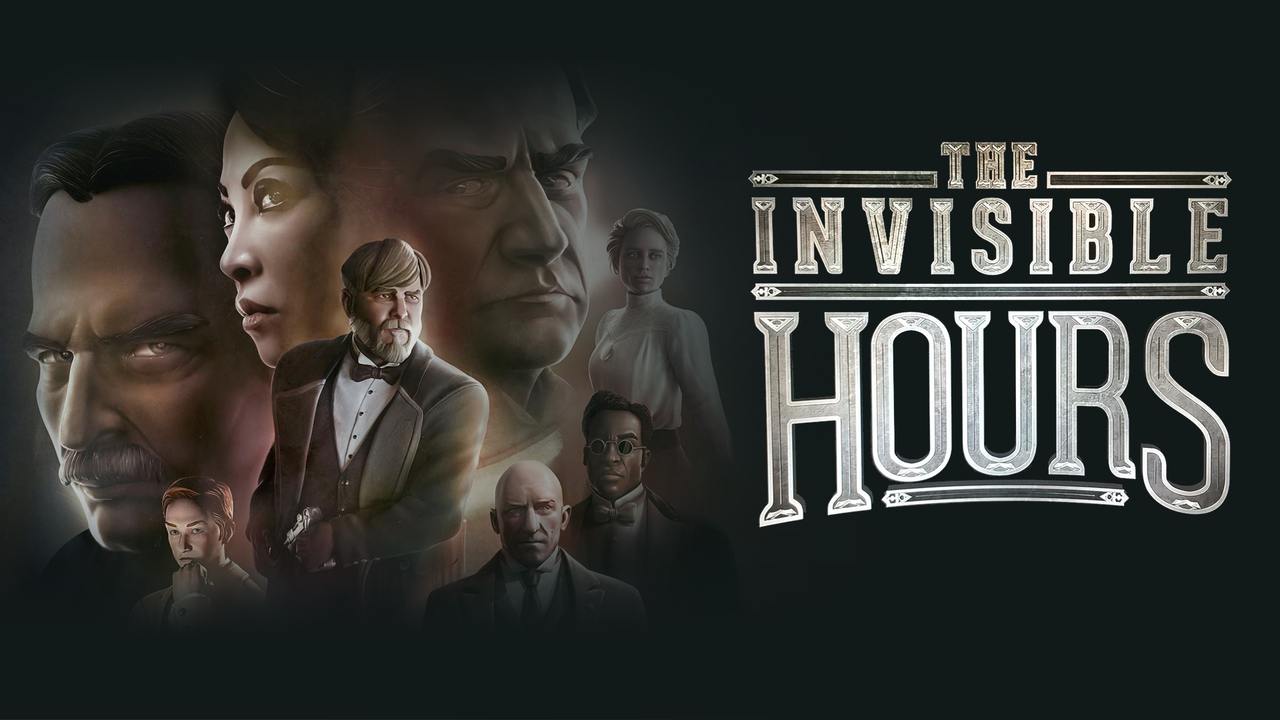
When The Invisible Hours launched in 2017, it was unlike anything else in the virtual reality space. A murder mystery told through seven overlapping, simultaneous narratives, it invites players to explore freely, observe suspects at will, and come away with wildly different interpretations of what really happened. There were no mission markers, no puzzles to solve — just narrative immersion.
The game was well received critically, picking up nominations from D.I.C.E., Road to VR, and UploadVR, with a cult following that persists to this day. But commercially, it arrived before its time.
“We listened to a third-party data projection company that told us PlayStation VR would sell 6 million units that year,” says Rob Yescombe, the game’s original writer and narrative director. “It didn’t even manage 1 million. Even though the game was well received by critics and players alike, there was no VR market to sell it to.”
That could now be changing. In June 2025, Yescombe announced he had acquired the full rights to The Invisible Hours after the collapse of Spanish developer Tequila Works earlier this year. “It’s very unusual for a game creator to own the IP of the game they work on,” he says. “When will I ever get another chance to reacquire it?”
Yescombe is now seeking a development partner for a remaster of the game, one he believes is more relevant than ever. “Here we are nearly ten years later, and there are tens of millions of VR headsets out there,” he says. “To new VR owners, this game is effectively a new title that’s been stress-tested from front to back.”
Despite having moved into the world of screenwriting — penning Outside the Wire for Netflix and Jackpot! for Amazon Prime Video — Yescombe has remained firmly rooted in the gaming industry. “My roots are still there,” he says. “I started out working at Free Radical Design — the crew who made GoldenEye and TimeSplitters — and I’ve worked on projects big and small ever since.”
But The Invisible Hours remains a standout for him. “It was truly the best creative experience of my life,” he says. “Fans still reach out to me, even after all this time — they love it as much as I do.”
So what made The Invisible Hours different?
Unlike most narrative games, where players are funnelled into binary choices — go left or right, save or kill — Yescombe’s game embraced a more naturalistic view of storytelling. “Real life isn’t made up of fixed choice points,” he explains. “You’re the main character in your story, but you’re a supporting character in mine. Everyone else is living out their story simultaneously, whether you see it or not.”
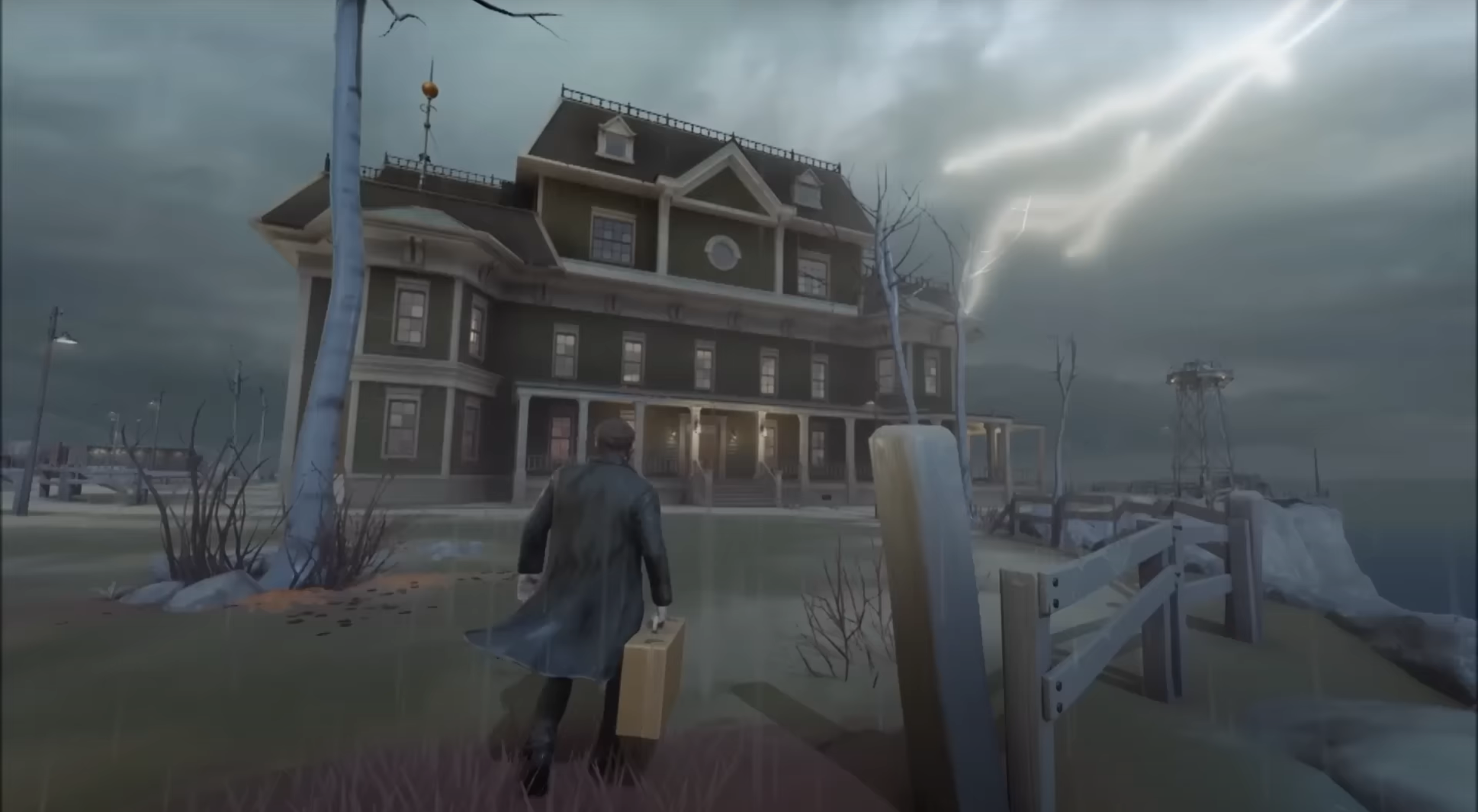
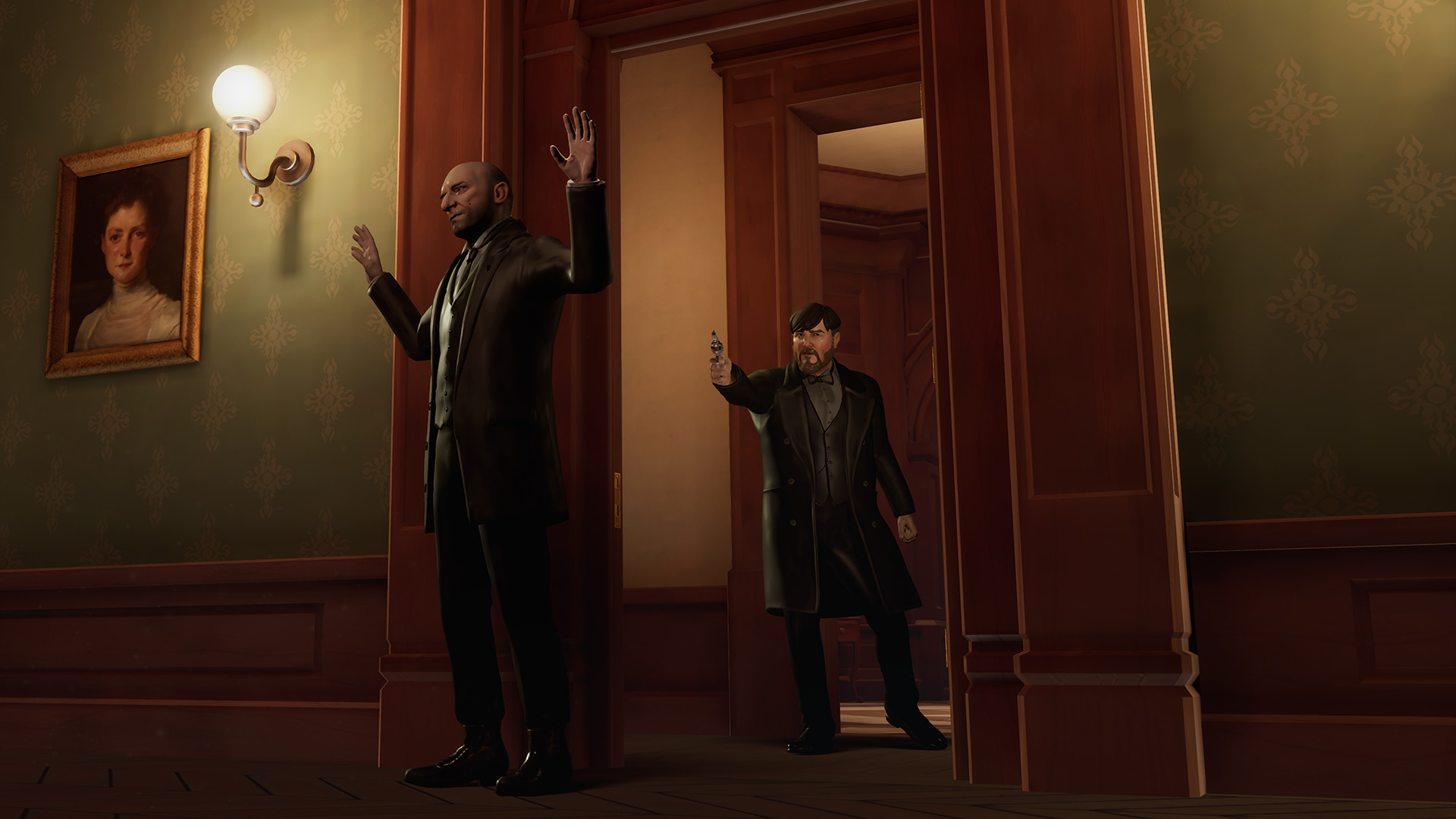
That philosophy became the game’s structure: one hour of real time, during which every character followed a scripted but independent path through Tesla’s mansion. The player could follow any thread they chose. “Some people thought it was a murder mystery,” Yescombe says. “Others thought it was a love story. Some thought it was a political thriller. It all depended on where you were and who you followed.”
It wasn’t just narratively ambitious — it was a technical and theatrical challenge. “It’s very unusual for actors in a game to have a theatre-like experience,” he says. “We had to rehearse extensively before motion capture. In that process, we built a community spirit that never went away. I still speak to the cast even ten years later.”
While the original game was a solitary experience, Yescombe is open to evolving it. “I’d love to make it more community-friendly,” he says. “At the moment, it’s a very singular experience. I’d like to make it so at least two players could work together to solve the mystery.”
His passion for the project is clearly evident, but Yescombe remains pragmatic. He knows a remaster — especially for a complex, unconventional title — needs the right partner. “I want to hear from publishers who are fans of this title,” he says. “The door is very much open to discussions.”
As for whether he’d like to revisit the concept in a new game entirely, Yescombe is open-minded. “I’d love to do a sequel,” he says. “When we were putting it together, I had conversations with Universal about making a direct sequel to The Thing in this format. It didn’t happen, but I still think it’s a great idea.”
For now, the focus is on bringing The Invisible Hours back to life — not as a nostalgia piece, but as a game whose time may have finally arrived.
“If this came out today, I think the reaction would be very different,” Yescombe says. “We made a game that lets people tell their own story just by how they observe others. That’s still a pretty radical idea — even now.”
As Yescombe searches for the right partner to help bring The Invisible Hours back to life, the question remains whether today’s expanded VR audience will embrace a title that was once seen as ahead of its time. For now, the game’s future is uncertain — but its creator is ready to find out if a second shot resonates more widely than the first.
Words by Kieran Webb
Support The Indiependent
We’re trying to raise £200 a month to help cover our operational costs. This includes our ‘Writer of the Month’ awards, where we recognise the amazing work produced by our contributor team. If you’ve enjoyed reading our site, we’d really appreciate it if you could donate to The Indiependent. Whether you can give £1 or £10, you’d be making a huge difference to our small team.