
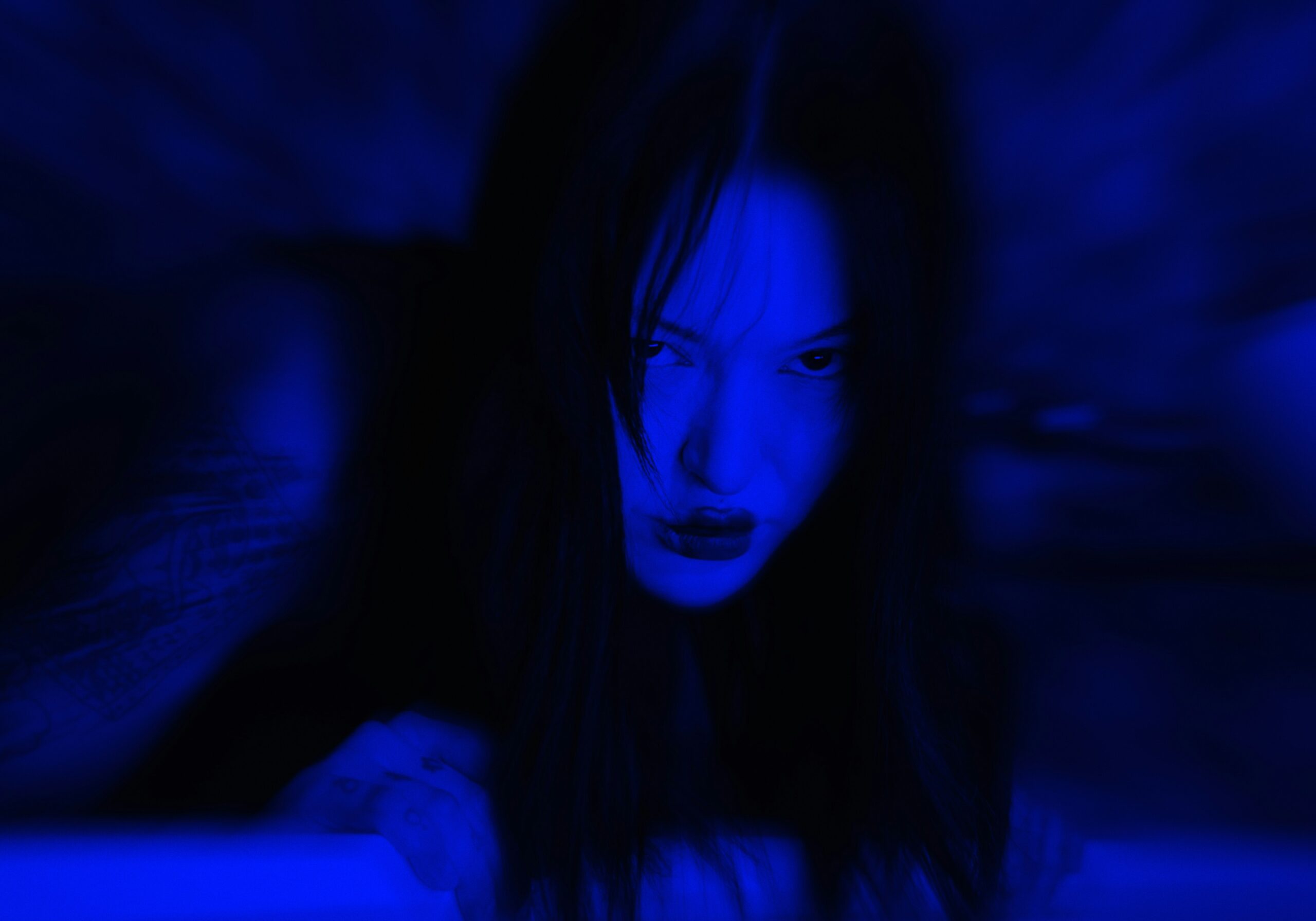
Brutal horror and complex feminist voices – the modern femgore genre has become increasingly popular among modern female writers. Femgore is essentially ‘reinventing horror fiction’, with its brutality completely redefining women’s place in horror.
Women in the horror genre, both across our screens and through literature, are often victimised and positioned as a ‘damsel in distress’. From Daphne in Scooby Doo to Andromeda to Lois Lane, women are often positioned in the male gaze across the horror genre. This new genre rejects perfection and tells the stories of messy, grotesque, vengeful women who are not always admired or even considered likeable to readers. Femgore is also increasingly popular across our screens, with Coraline Fargeat’s The Substance released last year and the ever-popular gory and unforgettable show Yellowjackets written by Ashley Lyle and Bart Nickerson. Moreover, Kirstie Swain’s Sweetpea, combines the ‘good for her’ sub-genre of horror with femgore, with Ella Purnell’s character pushing against the victimisation of women and presenting the extremes of female rage and violence.
Despite the femgore genre creating a place for women in the modern horror genre, writers including Shirley Jackson, Mary Shelley and Susan Hill all paved the way with their gothic explorations. From Jackson’s The Haunting of Hill House to Hill’s The Woman in Black, women have always had an impact on the genre, particularly the psychological horror genre. Although haunting personifications and complex characters were once the result of female horror writer’s work, in modern day they have become much more unfiltered and unapologetically brutal.
Writers including Eliza Clark, Lucy Rose, Jessie Elland and Ottessa Moshfegh, are just a few of the fresh new literary voices deviating from traditional standards of women. Eliza Clark has become renowned for her unique and unfiltered writing, with her debut novel Boy Parts now being one of the most well known modern novels in the femgore genre. Boy Parts explores gender roles and sexual taboos, with it following Irina’s life as a photographer in Newcastle scouting men for explicit photoshoots. Since her debut Clark has released Penance which, alongside Boy Parts, has received endless praise, with Faber & Faber introducing special editions of the novels. Her work is undeniably important to the genre and could even be considered as a modern classic with its combination of literary excellence and praised reviews.
Alongside Eliza Clark, Ottessa Moshfegh has become a household name amongst gothic and psychological horror genres. Despite her most known novel, My Year of Rest and Relaxation falling into a less intense literary fiction genre, her debut novel Eileen and her following works Death in Her Hands and Lapvona could easily fit into the femgore genre. Although her works do not fit into simply one genre, her refusal to shy away from grotesque and deranged characters and storylines makes for truly fascinating and gory reads.
The Lamb by Lucy Rose has been another impactful and unhinged addition to the genre, with its depiction of complex motherhood, female sexuality and cannibalism. The novel, released this year, follows Margot and ‘Mama’ and the ‘strays’ they lure into their house in the forest. It is an exceptionally unique display of motherhood and the power of nurture. Again, following from other modern horror novels, it presents the impact of women being forced to suppress their emotions and rage and drastically steers away from presenting women as helpless. Combining femgore with historical fiction, new author Jessie Elland’s acclaimed The Ladie Upstairs is another perfect example of the genre. Following Ann’s desire to become a lady’s maid at Ropner Hall for glamorous Lady Charlotte, the novel delves into themes of class, desire and extreme obsession. Much like the other characters, Ann is authentic but extreme, with her somewhat sapphic desire for Lady Charlotte and her life being at the forefront of the novel. Elland and Rose have also combined their talent and passion for the femgore genre in multiple conversational events across northern England.
Prior to these exceptional authors, we had award-winning Gillian Flynn. From Gone Girl to Sharp Objects to Dark Places, she explored the lengths that female rage can reach and the complexities of female desire. Her novels brought unhinged and unconventional women to the forefront of the horror genre, with Amy Dunne from Gone Girl having an ongoing impact. Her slightly lesser known Sharp Objects however, introduced Camille Preaker and her complex relationship with grief, self harm, sisterhood and her mother. Alongside Camille was her younger sister Amma Crellin, who completely reinvisioned a typical brutal killer by portraying the true violence that a thirteen year old girl can possess if raised in a chaotic environment. Gillian Flynn has the impressive ability to create undeniably flawed yet likeable female characters that completely demolish the unreachable standards of perfection set for women.
With the representation of women in the horror genre increasing yearly, it’s no surprise that the femgore genre is gaining popularity among fresh writers. With women being more and more honest through their writing, themes of female rage, complexities of female relationships and sapphic literature are increasingly popular.
Words by Ella Clarke
Support The Indiependent
We’re trying to raise £200 a month to help cover our operational costs. This includes our ‘Writer of the Month’ awards, where we recognise the amazing work produced by our contributor team. If you’ve enjoyed reading our site, we’d really appreciate it if you could donate to The Indiependent. Whether you can give £1 or £10, you’d be making a huge difference to our small team.