
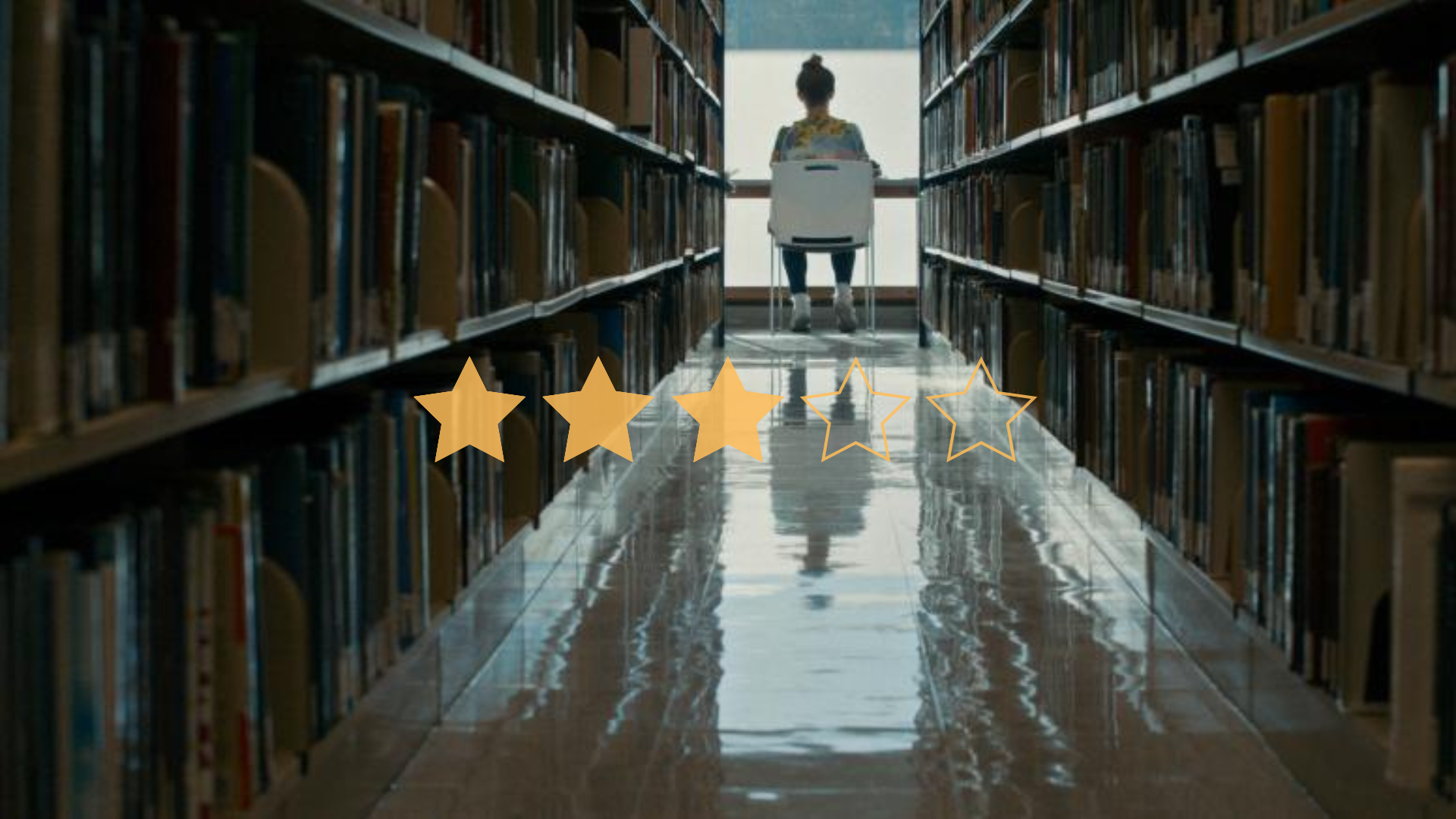
An eye-opening journey into a plague of the academic space, The Shadow Scholars is a fascinating dissection of morals and human vulnerabilities. Directed by Eloise King and executively produced by Steve McQueen, this feature showed at this year’s Docs Ireland Festival. It delves deep into the multifaceted factors that sustain this secret billion-dollar industry.
★★★☆☆
With the threat of AI taking over human labour, the world has become more wary of fakes and computer-generated media. In the academic sector, before the over-reliance of students on programs like OpenAI and ChatGPT, there was—and still is—a practice of paying people to write assignments. Filled with underpaid writers with dreams of achieving a better life, this is referred to as the ‘fake essay’ industry. Patricia Kingori, a Kenyan professor in Oxford, investigates the secret that keeps this machine going. She questions why these so-called ‘shadow scholars’ continue to do the work despite the ethical concerns and minuscule reward. What she finds along her journey is people with an unrelenting thirst for knowledge and an abundance of human empathy.
The most fascinating aspect of this documentary is its examination of the human perspective. Grounding the exploration to individual people—from Kingori’s experiences, single mother Mercy, to Chege and the life he built for his family—opens a less cerebral dialogue surrounding the practice. It highlights people’s dreams and their genuine motivations for taking part. The Shadow Scholars touches on Western privilege and institutionalised racism. This in turn evolves into discussions of internalised classism, with one example being Kingori herself.
She tells a story of when she was 14 and needed a responsible adult to sign an application form for an evening class. Kingori decided she wanted one of her teachers to sign the form—it didn’t occur to her to ask her mother. It’s this search for a better life, hopes and dreams of something more, that drive these shadow scholars forward.
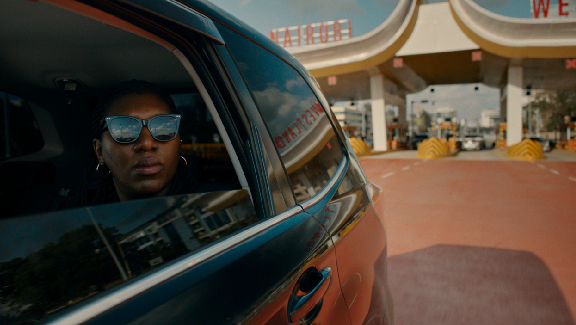
There’s a divide between how the writers perceive their actions and how the media portray them. Texts use phrases like “contract cheating”, “academic fraud”, and “plagiarism” to describe the practice. To the writers, what they do is not an example of cheating the academic system—it’s a way to gain knowledge. For some, it supports their family. Knowledge is the key factor of this project. It’s this idea of knowledge as power. This source of power is the one thing that cannot be taken away from them. The ethical autopsy of the practice, alongside the shadow scholars’ perception of their work, is contextualised with the rippling impact of British colonisation in Kenya.
There’s an element of taking back the narrative for the writers. Instead of allowing the West to demonise their hard work, the film provides them a platform to share their stories. Production furthers this narrative of credit and control with a faceless voice-over representing the students who have used the system. This contrasts with the writers and their talking heads interviews, albeit using AI to preserve their privacy.
The rhythmic presence of the score underlines the human sentiment behind these workers, maintaining individual people’s perspective at the heart. Still, there’s a nervous energy in the music that keeps at the forefront the ethical conundrums of their work. Overall, the stylisation in the visuals highlights the significance of technology and data, with a focus on the internet and web accessibility. These are the tools they use to do the work. This prompts questions regarding online privacy and the risks of providing personal information to complete strangers.
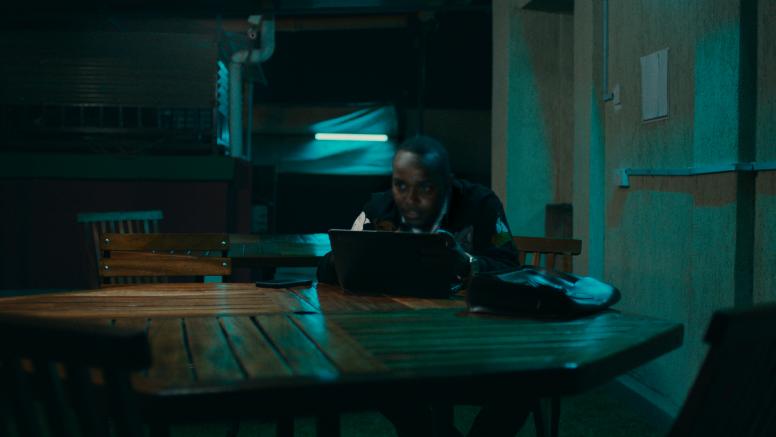
One unfortunate irony of this production is the question surrounding the use of AI. The threat of this ever-evolving technology looms heavy on the shadow scholars, putting their livelihoods at stake. Yet in a bid to protect those involved, King uses AI to veil their faces. What protects them here is what threatens them elsewhere. While this isn’t a discussion ever penetrated with any significant force, it creates a glaring point of contention regarding the notion of control and credit. It’s an invisible yet prevalent danger undermining the efforts to celebrate the behind-the-scenes writers.
The Verdict
The Shadow Scholars is nuanced in its endeavour to uncover this secret academic industry. It’s introspective in its tackling of the issues surrounding privilege, race and classism, and ethics. But most importantly, it puts human empathy and motivation at the forefront. More than just a calculated analysis of this phenomenon, what King and Kingori achieve with this piece is a deeply compassionate explanation of these writers and their positions, unconcerned by professional logistics or high-standing morals. While it might not be detailed or balanced in its perspective, it doesn’t have to be. Its goal is not to excuse or even explain the industry; it’s to understand and shed light on the people who do the work.
Words by Mae Trumata
Support The Indiependent
We’re trying to raise £200 a month to help cover our operational costs. This includes our ‘Writer of the Month’ awards, where we recognise the amazing work produced by our contributor team. If you’ve enjoyed reading our site, we’d really appreciate it if you could donate to The Indiependent. Whether you can give £1 or £10, you’d be making a huge difference to our small team.