
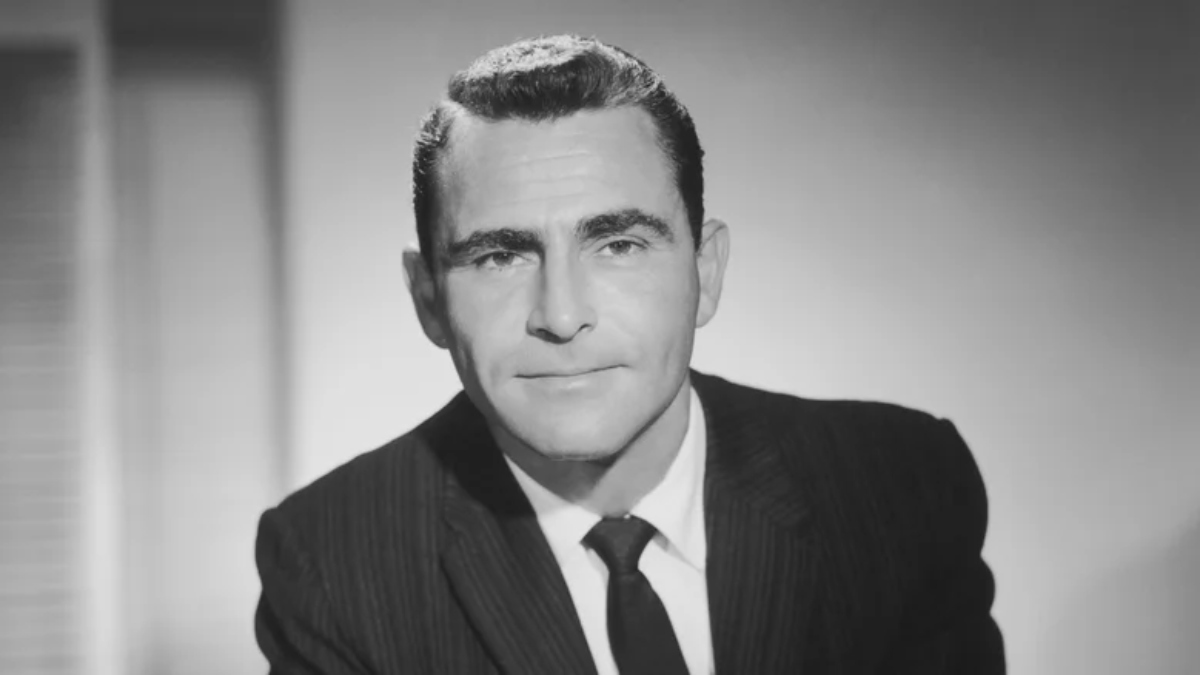
This month marked 66 years since the first episode of The Twilight Zone was broadcast, back in 1959. The sci-fi/horror anthology was an instant hit upon release and has coninued to have a huge influence over pop culture more than six and a half decades later.
Created by Rod Serling, The Twilight Zone wasn’t just a landmark in television history, it redefined what the medium could express. When it first premiered, network TV was still new, dominated by variety shows and family comedies. Into that world stepped Serling, a former playwright and war veteran who used speculative fiction as a smokescreen to tell unpleasant truths about humanity. Each Twilight Zone episode was a miniature parable and they were completely unforgettable. These weren’t just ghost stories or science fiction, but mirrors held up to a befuddled postwar America.
Six decades later, the influence of The Twilight Zone can be seen in everything from Black Mirror and Twin Peaks, to Lost and The Leftovers; as well as being parodied countless times on shows like The Simpsons, Futurama, and Family Guy. Its fingerprints are on every modern anthology that uses genre storytelling as a vessel for truth. As much as this show has influenced many others, in many ways it still feels underrated considering its range of stories and complex themes. A unique draw to the show was in the variety of episodes it offered, it’s format ensuring that it avoided the same kinds of stories being told repeatedly. There were many classics throughout its run, but some episodes nevertheless stand out as showcasing the very best that the show was capable of.
1. Nightmare at 20,000 Feet (Season 5, Episode 3)
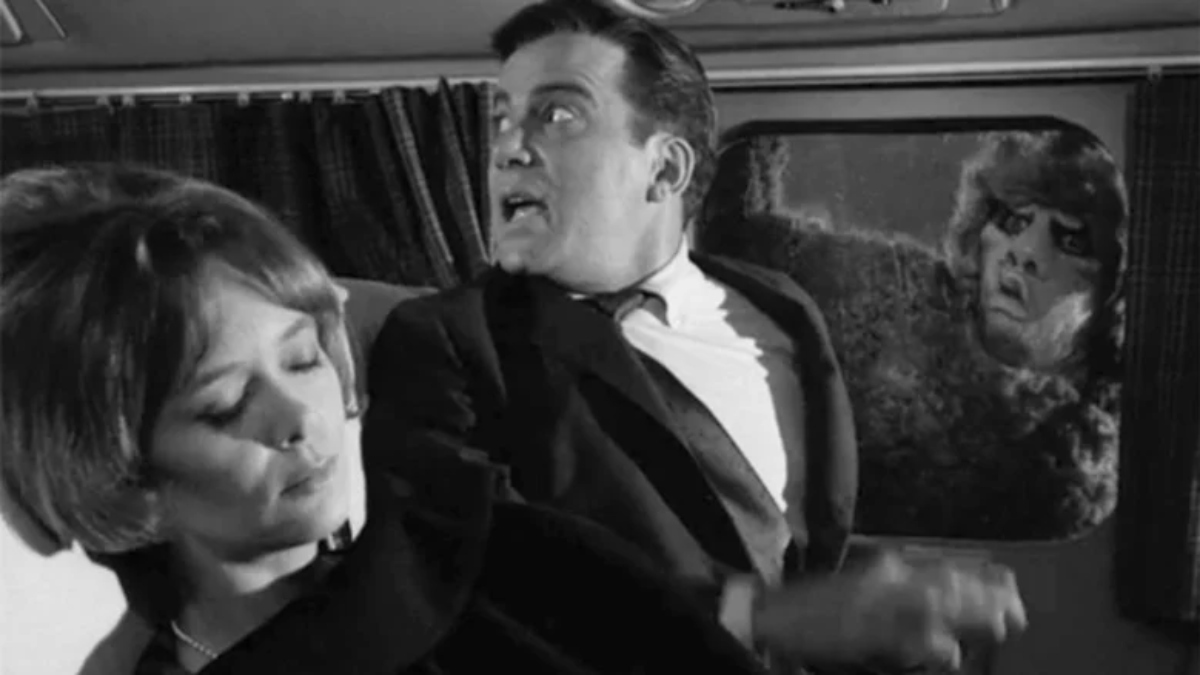
There may be no single image more emblematic of The Twilight Zone than William Shatner’s trembling face pressed up against an airplane window. Nightmare at 20,000 Feet takes a simple idea: a man sees a monster on the wing mid-flight, and transforms it into a perfect psychological thriller about alienation. The brilliance of Richard Matheson’s script is its ambiguity. We never truly know whether Shatner’s character is witnessing something supernatural or suffering a relapse into madness. The tension comes not from the monster but from the helplessness of being dismissed, the primal fear of seeing something no one else believes. This sense of subjective terror reverberates through modern television. Black Mirror’s “Metalhead” episode channels the same paranoia about isolation, while Lost and Fringe have borrowed its claustrophobic tension and disbelief in reason. Even Breaking Bad’s depiction of Walter White’s unraveling ego feels indebted to Shatner’s hysterical isolation. It’s a masterclass in showing us that the scariest monsters are the ones only we can see.
2. The Monsters Are Due on Maple Street (Season 1, Episode 22)
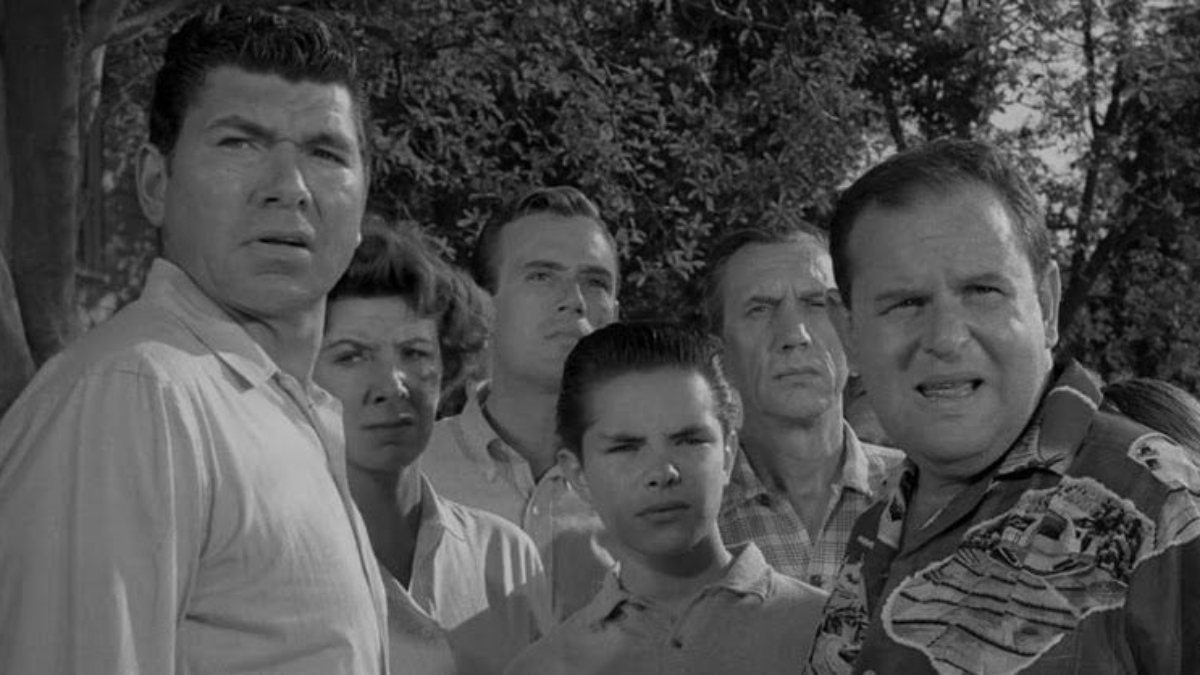
Few works of fiction have dissected human behavior as surgically as the season one episode The Monsters Are Due on Maple Street. What begins as an ordinary suburban evening descends into hysteria after a mysterious blackout. Neighbors turn on each other, suspicion spreads like contagion, and by the end, the tranquil street has erupted into chaos. Rod Serling wrote the script as a commentary on Cold War paranoia, but its warning transcends that era and remains just as pertinent today. The aliens manipulating humanity from afar are almost irrelevant; the true horror lies in how little prodding it takes for humans to ultimately destroy themselves. The DNA of this episode can be found everywhere in modern television, with shows like The Walking Dead and The Leftovers sharing its fascination for mob psychology and how quickly civilization can collapse.
3. Eye of the Beholder (Season 2, Episode 6)
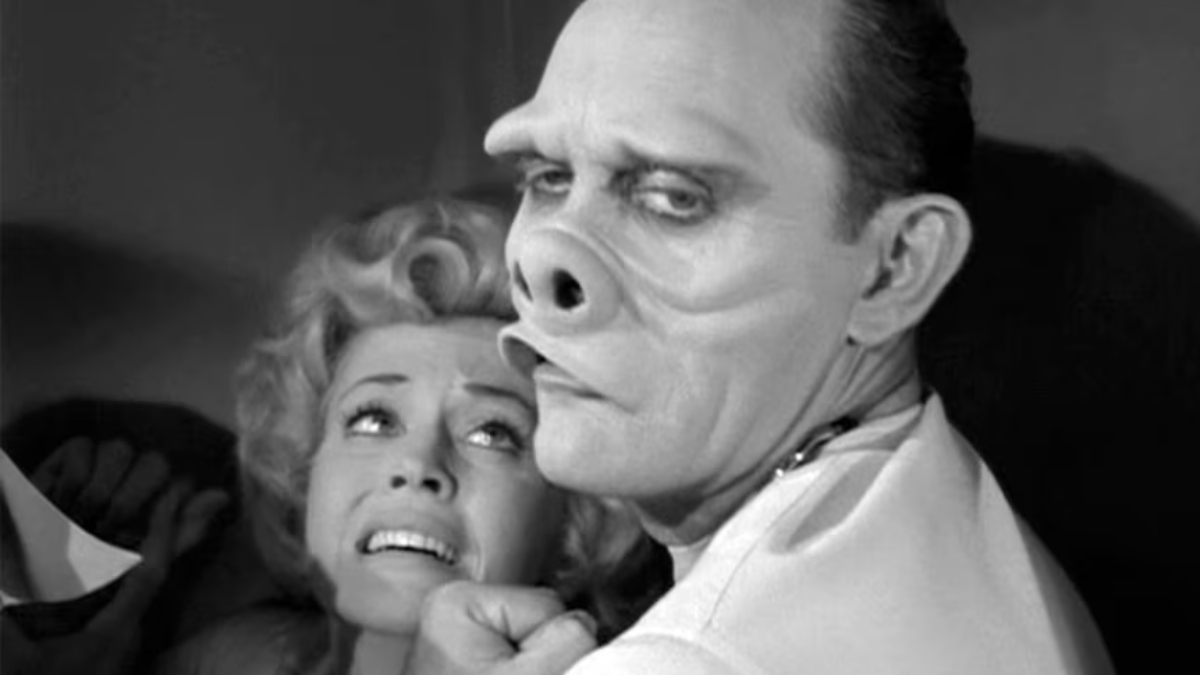
With its haunting lighting, concealed faces, and a devastating final reveal, Eye of the Beholder remains one of the most striking visual achievements of the series. The episode follows a woman undergoing surgery to “correct” her face so she can fit into a society obsessed with uniformity. Only when her bandages come off is it revealed that she is someone who would be conventionally attractive by our standards, whilst it’s the rest of the world that appears freakishly deformed. This iconic twist endures because it captures something eternal: the tyranny of the “normal.” Beneath its science fiction premise lies a deeply human tension about belonging and the pressure to conform. The episode’s legacy is one that runs deep. You can see its influence in Black Mirror’s “Nosedive,” where social approval becomes literal currency; in The Twilight Zone’s own Jordan Peele-era revival; and in films like Gattaca and Pleasantville. Every story about the weaponization of beauty or conformity owes a debt to this half-hour parable. Its direction, its expressionist, noir aesthetic, and its claustrophobia, helped to set a visual language that would later be echoed by Twin Peaks and The X-Files. Eye of the Beholder didn’t just challenge its audience’s values; it showed that television itself could be cinematic.
4. It’s a Good Life (Season 3, Episode 8)
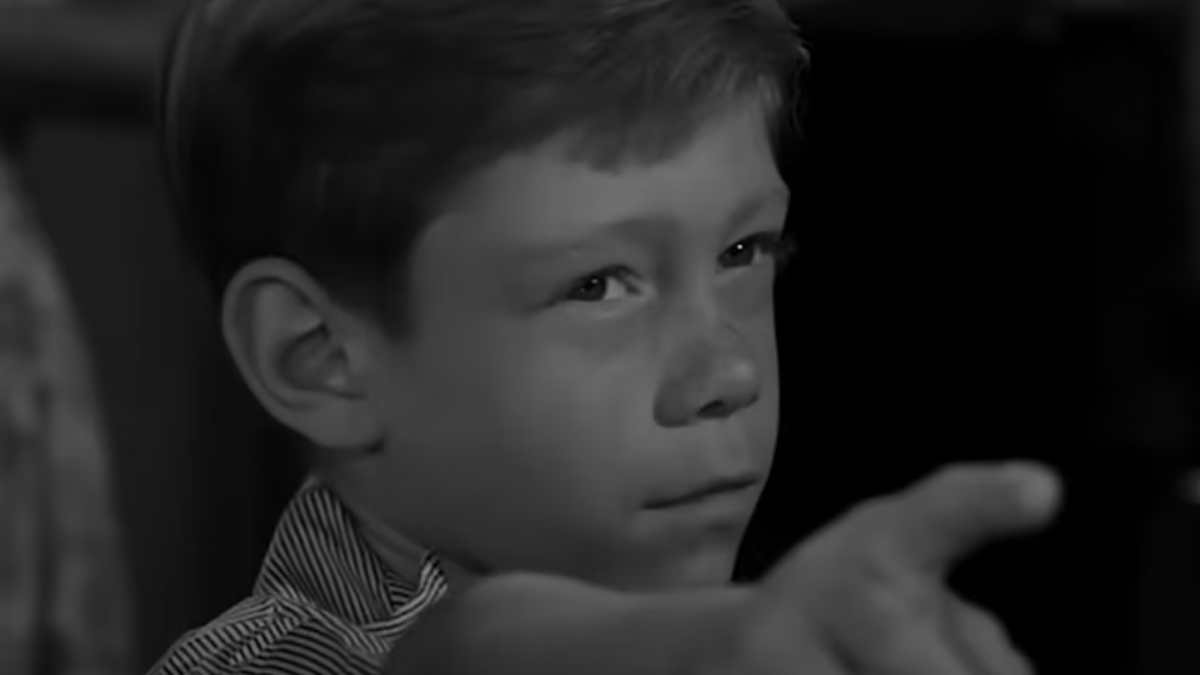
If The Twilight Zone had a horror masterpiece, this is it. It’s a Good Life presents a world governed by a six-year-old boy with godlike powers, a smiling tyrant named Anthony Fremont who can erase anyone or anything with a thought. As such, the townsfolk must flatter him constantly to survive. The story works as both a satire and political nightmare. On one level, it’s simply a horror story about spoiled children and indulgent parenting; on another, it works as an allegory for authoritarianism, depicting a world where truth has been outlawed and everyone lives in quiet terror. Modern television is filled with Anthony Fremont’s descendants: Game of Thrones’ Joffrey Baratheon, The Boys’ Homelander, and WandaVision’s reality-bending suburbia echo the same unnerving blend of omnipotence. It’s a Good Life anticipated a world obsessed with personal power, where the ability to reshape the world at whim has become literal through technology. Serling’s fable now reads like a prophecy about our algorithmic age.
5. Time Enough at Last (Season 1, Episode 8)
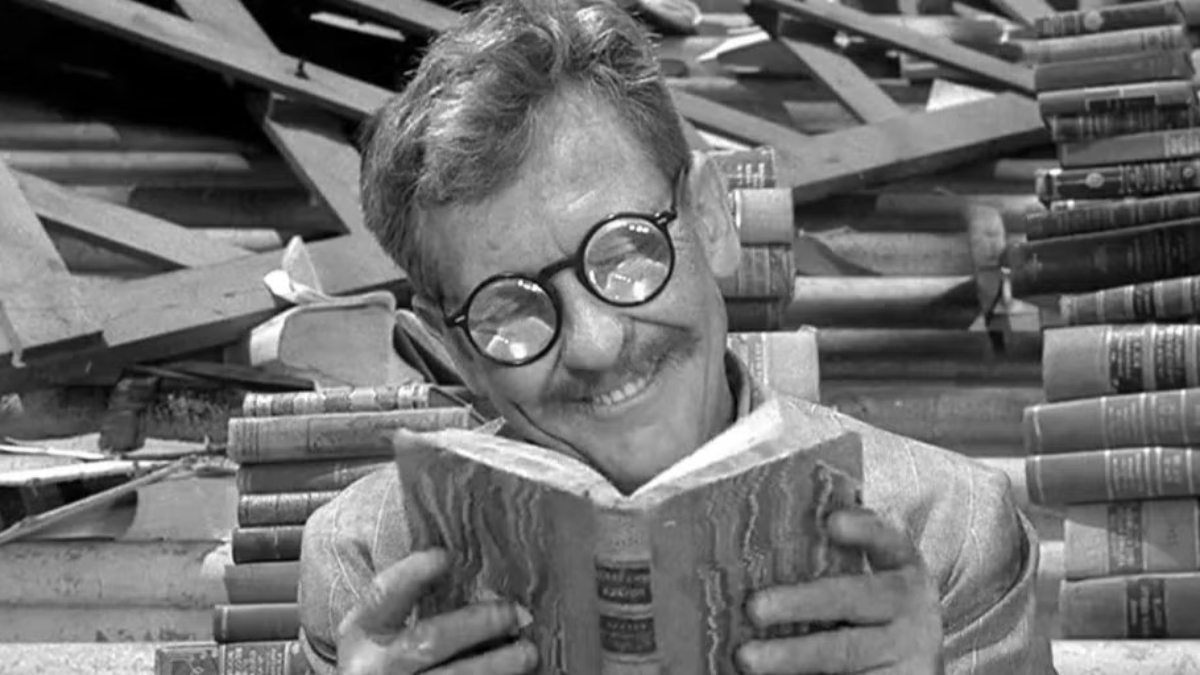
Burgess Meredith’s Henry Bemis, the timid, bookish man who survives the apocalypse only to shatter his glasses, is one of the great tragic figures of American television. The episode’s cruel twist is famous, but its emotional resonance lies deeper: in Bemis’s yearning for solitude, for meaning, for escape from a society that undervalues thought. This episode’s quiet devastation influenced decades of storytelling about loneliness and obsession. Children of Men, The Last Man on Earth, and even Melancholia carry its ethos, stories where the apocalypse becomes a paradoxical space of clarity and loss. The episode’s closing moment, with Bemis surrounded by broken dreams and infinite silence, is perhaps The Twilight Zone’s purest expression.
The Fifth Dimension and Beyond
The Twilight Zone endures not just because of these twists, but because of its empathy. Rod Serling used genre as camouflage to explore the ache of being human. His stories lent moral weight and emotional depth to the science fiction and fantasy genres. They treated television as literature, and audiences as philosophers. Each twist, each reality bending premise, each moment of revelation where horror gives way to melancholy, it all traces back to that cigarette smoke and eerie theme music. More than ever, modern storytellers need to take some notes off of Serling’s book. We need more shows that aren’t unafraid of not talking down to viewers.
To revisit The Twilight Zone is to remember that imagination can still reveal the truth. Its stories warned us of what we might become, paranoid, self-absorbed, blind to our own cruelty, but they also offered a flicker of hope: that awareness, empathy, and reflection might lead us somewhere better. Like stepping off the Terror of Terror amusement park ride, The Twilight Zone leaves you disoriented and strangely enlightened, haunted not by monsters, but by mirrors.
Words by Sebastian Sommer.
Support The Indiependent
We’re trying to raise £200 a month to help cover our operational costs. This includes our ‘Writer of the Month’ awards, where we recognise the amazing work produced by our contributor team. If you’ve enjoyed reading our site, we’d really appreciate it if you could donate to The Indiependent. Whether you can give £1 or £10, you’d be making a huge difference to our small team.