
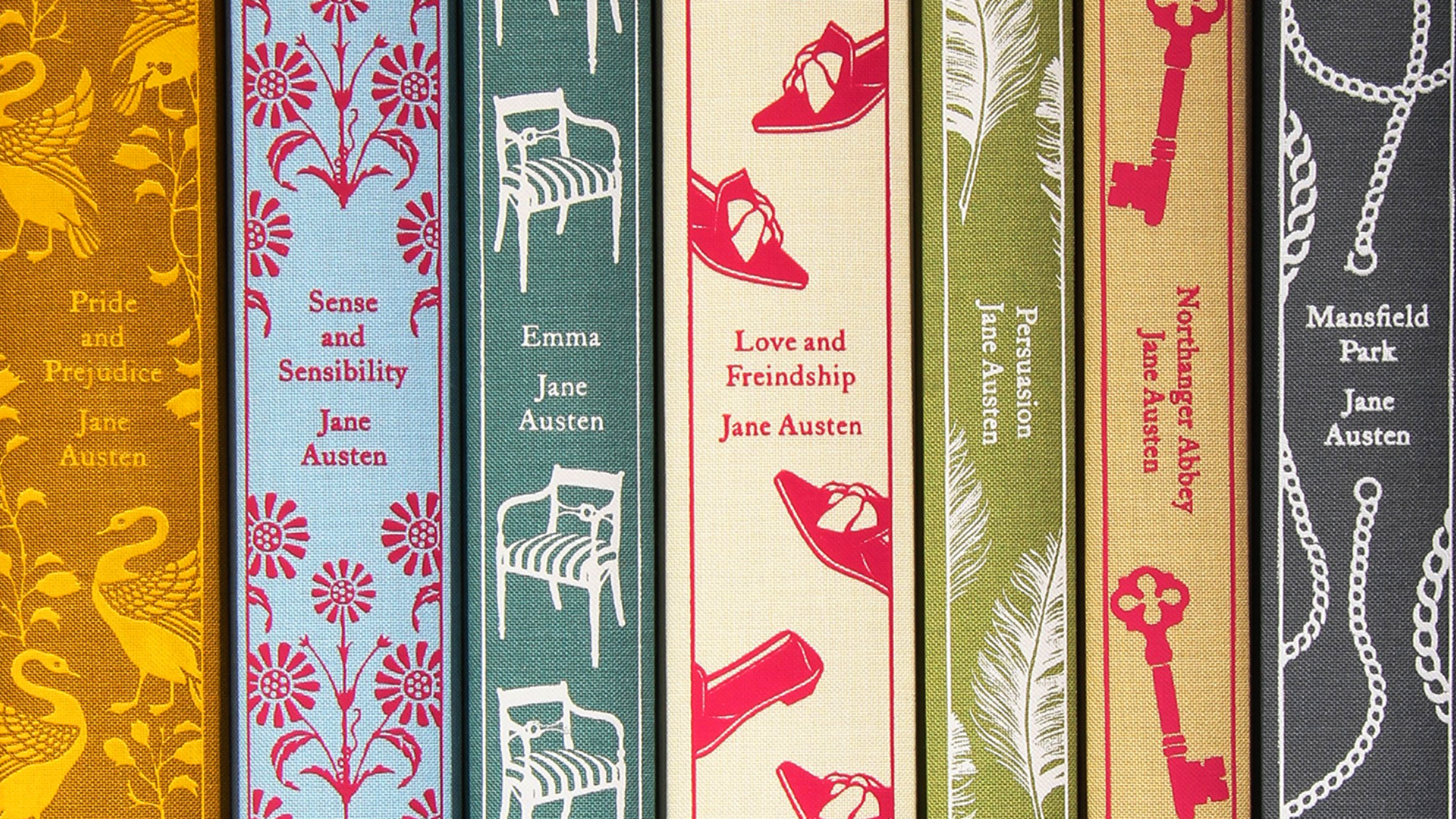
For decades, Jane Austen‘s timeless tales of love, societal pressure, and witty banter have captivated the audiences far beyond the pages of her novels.
Many of them have been adapted into numerous films and TV series, ranging from period dramas which stay truthful to the original classic novels, to modern retellings which approach those same classics with a more contemporary method. However, some of them have been major hits, while a few others perhaps should have stayed on the drawing-room floor.
Here’s a brief (and perhaps somewhat controversial) ranking of some of the best and the worst Jane Austen novel-to-movie adaptations to grace our screens.
The Best of the Best

Pride and Prejudice (1995 BBC Miniseries): The Gold Standard.
Is there even a debate? With Colin Firth as Mr. Darcy, and Jennifer Ehle as Elizabeth, this six-part masterpiece sets the standard for period dramas and faithful adaptations. It has the time to develop characters, explore subplots, and let the slow-burn romance unfold in a way that is satisfying. The casting is perfect, the dialogue is sharp, and it captures the spirit of Austen’s most famous book with perfect accuracy.
Sense and Sensibility (1995 Film): A Masterclass in Emotions.
Ang Lee’s movie is a beautiful, nuanced look at sisterhood, heartbreak, and strength. Emma Thompson wrote the Oscar-winning screenplay and also stars as protagonist Elinor in this adaptation. Thompson and Kate Winslet play the Dashwood sisters perfectly, and the movie is both very moving and wonderfully witty. It’s a sign of how well Austen’s themes can work on the big screen when they are treated with care and thoughtfulness.
Clueless (1995 Film): A Modern Marvel.
Clueless does not pretend to be a period drama, but it’s a fantastic modern adaptation of Emma. Amy Heckerling skilfully adapts the character’s archetypes, with the matchmaking blunders, and the social dynamics of Highbury to a high school in Beverly Hills. As the reincarnation of Emma Woodhouse, Alicia Silverstone’s Cher Horowitz demonstrates just how universal Austen’s insights into human nature are. It’s humorous, fashionable, and a complete delight, proving that sometimes fidelity to spirit can triumph over fidelity to setting.
Love & Friendship (2016 Film): A Witty Revelation.
This delightfully surprising film is based on Austen’s early, epistolary novel, Lady Susan. Kate Beckinsale excels in her role as the delectably cunning Lady Susan, a character unlike any other in Austen’s published works. It’s incisive, humorous, and aptly conveys the sardonic wit that permeates the author’s lesser-known writing. Those who value Austen’s darker, more satirical side should not miss this.
The Middle Ground
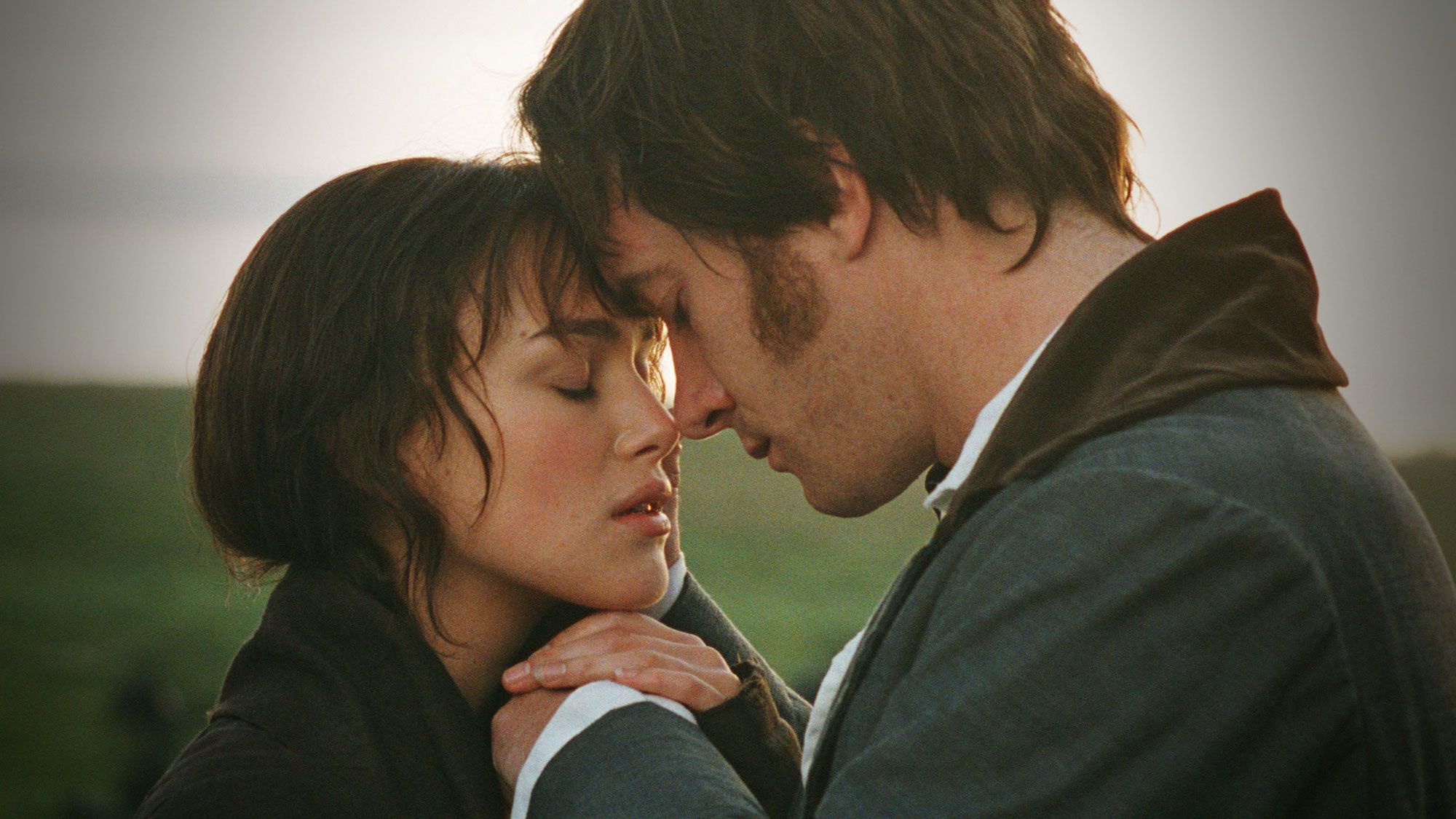
Pride & Prejudice (2005 Film): A Visually Stunning but Condensed Affair.
With its expansive landscapes and surreal aesthetic, Joe Wright’s film is unquestionably stunning. The chemistry between Keira Knightley and Matthew Macfadyen is evident in their powerful performances. But by cramming a lengthy story into two hours, it unavoidably sacrifices some character growth and intricate plot points. Although many adore it, those who value the novel’s slow pacing may find it hurried.
Emma. (2020 Film): Stylish but Slightly Sterile.
Autumn de Wilde’s Emma. is a visual extravaganza with stunning costumes and lively cinematography. The film has a quirky charm, and Anya Taylor-Joy plays an engrossing Emma Woodhouse. However, it occasionally loses some of the novel’s warmth and emotional depth because it focuses so much on its aesthetic. It’s fun, but maybe more of a style triumph than a content one.
Northanger Abbey (2007 TV Film): A Charming Gothic Romp.
In this fun adaptation, Felicity Jones is a great fit as the gullible Catherine Morland. The film conveys Catherine’s vivid imagination as well as the novel’s light-hearted parody of gothic literature, however its briefness leaves room for further discussion of its original premise.
The Missteps
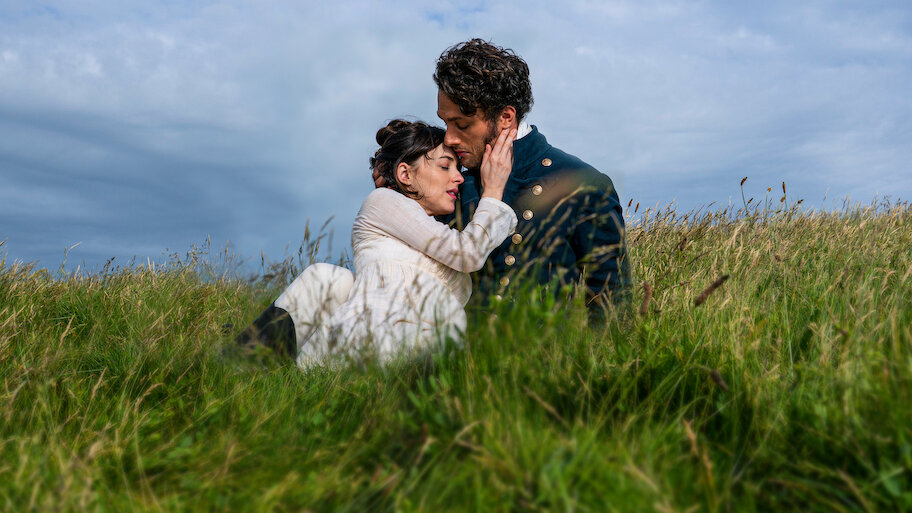
Persuasion (2022 Film): A Modern Misfire.
This most recent Netflix adaptation sadly fell short. Although it was a modern, Fleabag-esque take on the classic novel, employing contemporary language which often felt jarring and disjointed, giving up Anne Elliot’s subdued dignity and inner turmoil for an ostentatious, fourth wall-breaking approach that didn’t fit. Despite being a gifted actress, Dakota Johnson felt miscast, and the movie lost a lot of what makes Persuasion so moving and powerful. An unfortunate interpretation that did not understand its source material.
Mansfield Park (1999 Film): A Controversial Reworking.
Austen’s most intricate and possibly darkest work was significantly altered in Patricia Rozema’s adaptation. Plot points and character motivations were drastically changed in an effort to present Fanny Price’s story through a more contemporary, feminist lens, especially with regard to the issue of slavery that runs through the narrative. Many Austen purists believed it deviated too much from the novel’s central themes and characteristics, although others praised its audacity. In its own right the movie is intriguing, but it doesn’t stand up as a faithful adaptation of Mansfield Park.
Pride and Prejudice and Zombies (2016 Film): A Novelty That Wears Thin.
This movie promised a campy, action-packed take on a classic, based on the parody novel with the same name. For a few minutes the idea is funny, but the execution is mostly poor. The attempt to combine zombie apocalypse and regency romance frequently comes across as forced rather than ingenious, and the humour is erratic. It’s interesting in theory, but ultimately unmemorable.
Ultimately, the best Jane Austen adaptations are those that capture the essence of her works, whether the filmmakers decide to boldly move her themes to a new setting or stay completely true to the regency period. They pay tribute to her humour, her astute observations of human nature, and the timeless strength of love and self-improvement. Unfortunately, those that take modernisation for progress or value spectacle over the subtleties that make Austen’s books so beloved aren’t very well received.
It’s recently been announced that Daisy Edgar-Jones is set to play Elinor Dashwood in a new film adaptation of Sense and Sensibility. Will it be yet another piece that focuses so much on dramatisation and modernity that it loses the attention of the audiences? Or will it stick to the central themes of Austen’s original classic novel, and be a massive hit like its previous counterparts? We’ll have to wait and see.
Words by Sharmishtha Chahande
Support The Indiependent
We’re trying to raise £200 a month to help cover our operational costs. This includes our ‘Writer of the Month’ awards, where we recognise the amazing work produced by our contributor team. If you’ve enjoyed reading our site, we’d really appreciate it if you could donate to The Indiependent. Whether you can give £1 or £10, you’d be making a huge difference to our small team.