

Video games have been a constant thread in my life. From the first time I picked up a controller, video games offered me more than just entertainment; they were worlds to get lost in, challenges to overcome, and stories that stayed with me long after. I would argue that some games have storytelling on the same calibre as a classic novel. Each game title holds a memory, and looking back on them now, I can see how they’ve influenced not just my tastes but the way I see storytelling and problem-solving in my everyday life.
The Legend of Zelda: Link’s Awakening (1993)
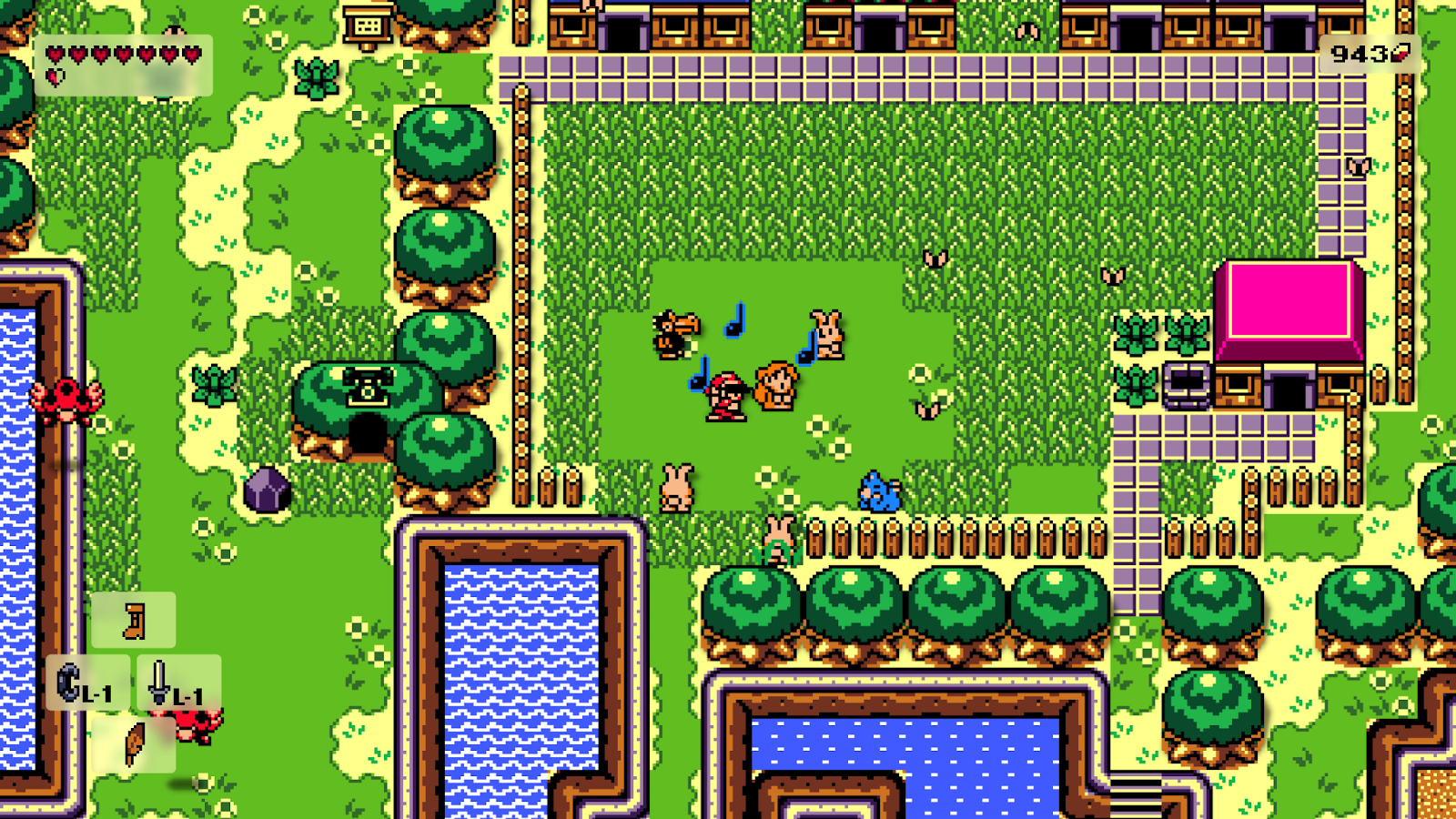
Link’s Awakening was the first game that I played and was the stepping stone into the world of gaming. It has that bittersweet, dreamlike quality that makes it stand out in the Zelda series. The island feels small but intimate and filled with odd characters. The island’s inhabitants speak in strange riddles, and familiar Mario enemies wander around as if pulled from another world. As you explore, it slowly becomes clear that nothing here is what it seems. Each dungeon feels like a small self-contained puzzle box, filled with clever mechanics and haunting enemy designs. Small details build an emotional attachment to the island. The twist, that none of it is real and waking the Wind Fish will make everything disappear, gives the adventure a bittersweet weight. By the end, you don’t feel like you just beat a dungeon boss, you feel like you’ve said goodbye to an entire world that shouldn’t have existed in the first place.
Sonic Adventure 2 (2001)

This game is pure adrenaline. From the city streets to battling an alien creature in space. The soundtrack, the speed, the ridiculous over-the-top story, it’s a rush that never gets old. The first level City Escape run, with the song “Escape from the City” blaring, is still one of the most joyous things in gaming. I loved how the game balanced the breakneck pace of Sonic and Shadow with the slower, more exploratory levels of Knuckles and Rouge. It’s a time capsule of Sega in its wildest, most unfiltered state. It also had this wonderful sense of variety that kept it from ever feeling repetitive, you could be grinding rails at insane speeds one moment, then hunting for emerald shards in a jazz-infused stage, or piloting a mech through explosive, chaotic battles. The tone swung wildly between Saturday morning cartoon banter and dramatic, world-ending stakes, and somehow it worked. Even the rough edges of this game, the awkward cutscenes, and the bizarre voice acting added to its charm. Sonic Adventure 2 is an experience full of that early 2000s energy.
Silent Hill 2 (2001)
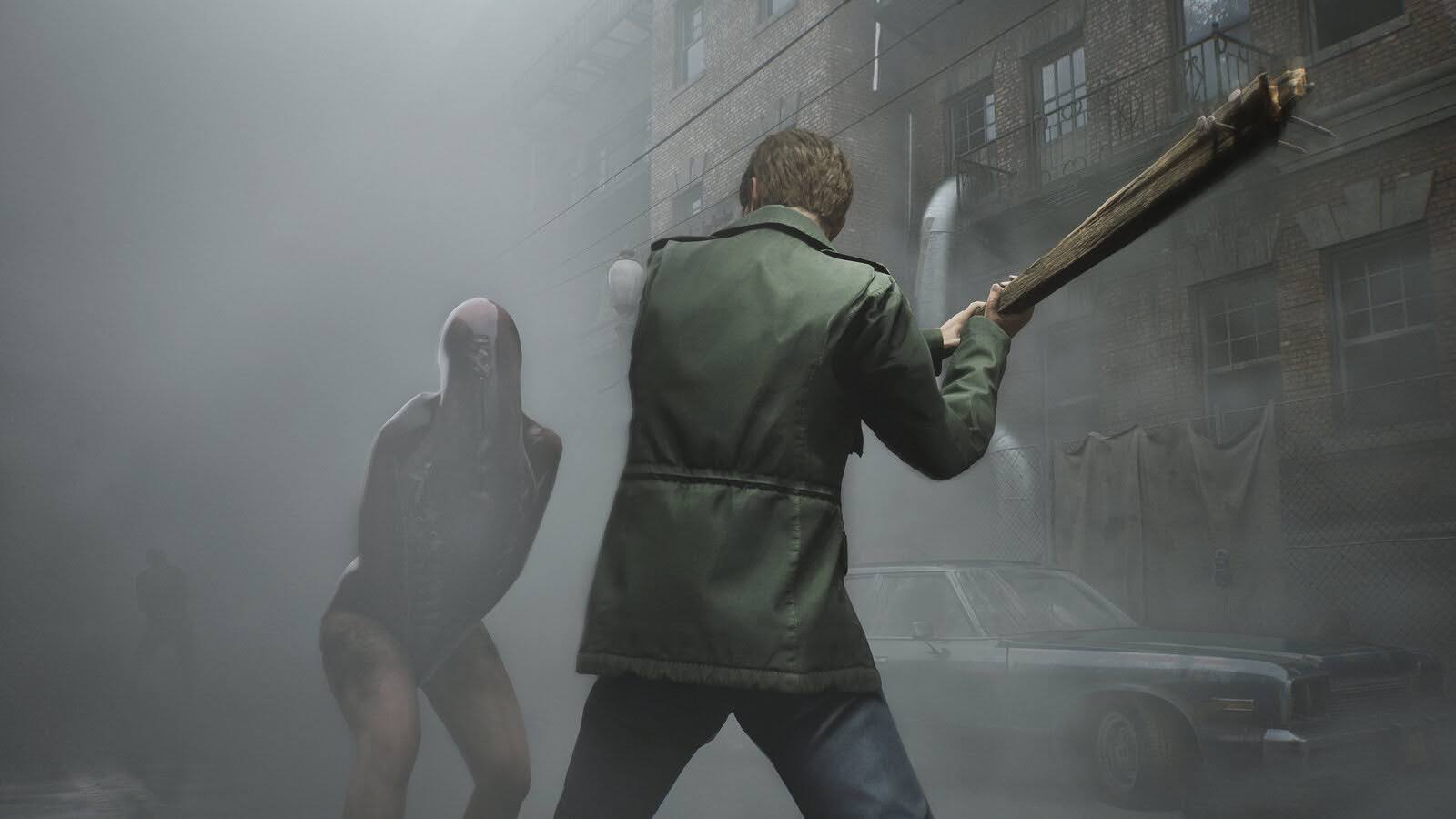
The remake of this game was a recent crowning achievement in gaming. It had me, a grown man, hiding under my covers in the dark while I was playing it. The sound design is on another level. Silent Hill 2 is a heavy, surreal, and existential game that takes inspiration from psychological horror films like Jacob’s Ladder and the dreamlike storytelling of David Lynch. The foggy streets, the oppressive sound design, and the strange dream-logic of its world make it feel like a place you’re not supposed to be in — but can’t leave. What makes it truly unsettling is how the horror is tied directly to the protagonist’s psyche: every creature and location is a symbolic reflection of guilt, grief, and repressed memories. The city itself almost feels alive, twisting and reshaping itself specifically to torment you. Even the most basic room or hallway feels threatening because you never know what’s waiting around the corner. The soundtrack and ambient noise crawl under your skin — distant wails, metallic scraping, and murmured voices that sound like they’re coming from another dimension. It’s horror that sticks with you long after you turn the console off, because it’s about guilt, loss, and things you can’t quite explain.
Super Mario Sunshine (2002)
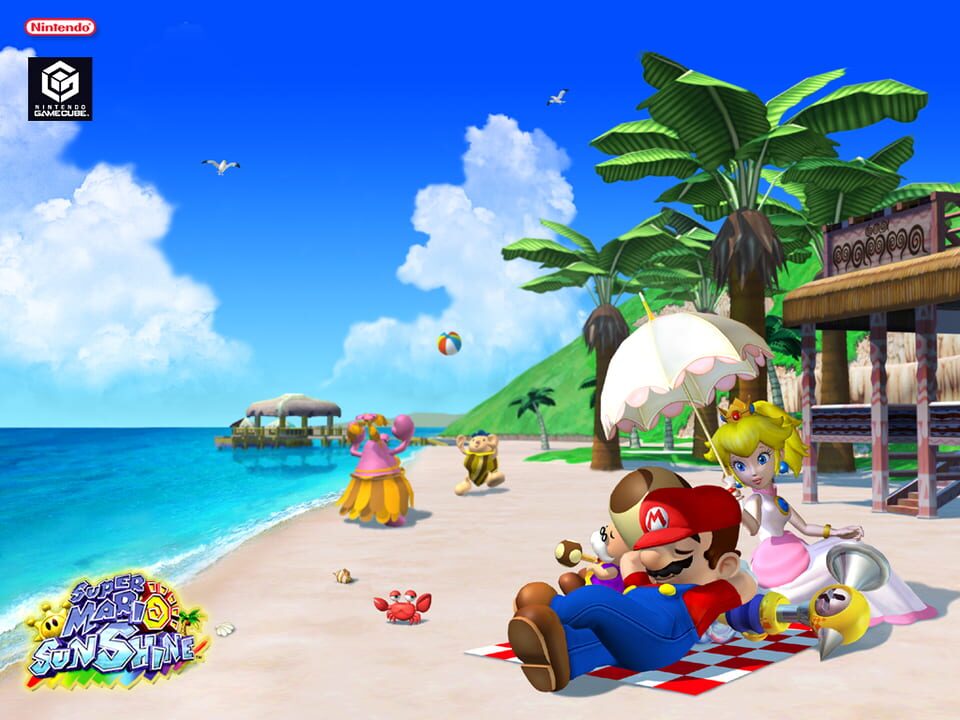
Super Mario Sunshine is one of my favourite games of all time. There is no other Mario game like it as well. The soundtrack is a masterpiece. Super Mario Sunshine isn’t just unique in Mario’s catalogue; it’s downright surreal in the best way. Trading the familiar Mushroom Kingdom for the sun-soaked, tropical Isle Delfino gave the whole adventure a distinct, vacation-like atmosphere that’s still unmatched. The addition of FLUDD, Mario’s water-powered jetpack, transformed platforming into something more fluid and creative, rewarding precision and experimentation. The bright, pastel visuals still pop decades later, and the game’s eccentric cast and bizarre boss battles give it a weird charm that sticks with you. I would argue that this is the best Mario game in the series. It’s like a tropical vacation bottled into a game. Even the most minor details, like the chirping of birds in the plaza or the distant sound of waves crashing, contribute to this dreamy escapism that no other Mario title has replicated.
The Simpsons: Hit & Run (2003)

This was a game directly from my childhood and I think it is a masterpiece. If your parents wouldn’t let you play Grand Theft Auto as a kid, this game was the answer. Not only was it the perfect blend of nostalgia but it also has a unique world filled with different missions. Some of them are memorably difficult. But that’s part of the charm. There are catch phrases throughout. Fans of this game will remember Homer crashing his car and yelling, “I’m a lean, mean, speed thingy!” I don’t know how much this game will be truly appreciated if you didn’t play it as a kid but I think it has enough redeeming qualities. Part of the charm is the Simpsons world and the way it’s integrated into the gameplay. This is a good example of what a successfully executed licensed game looks like. Games based on movies or shows are rarely known to be considered good games and The Simpsons: Hit & Run is a home run.
Metro 2033 (2010)
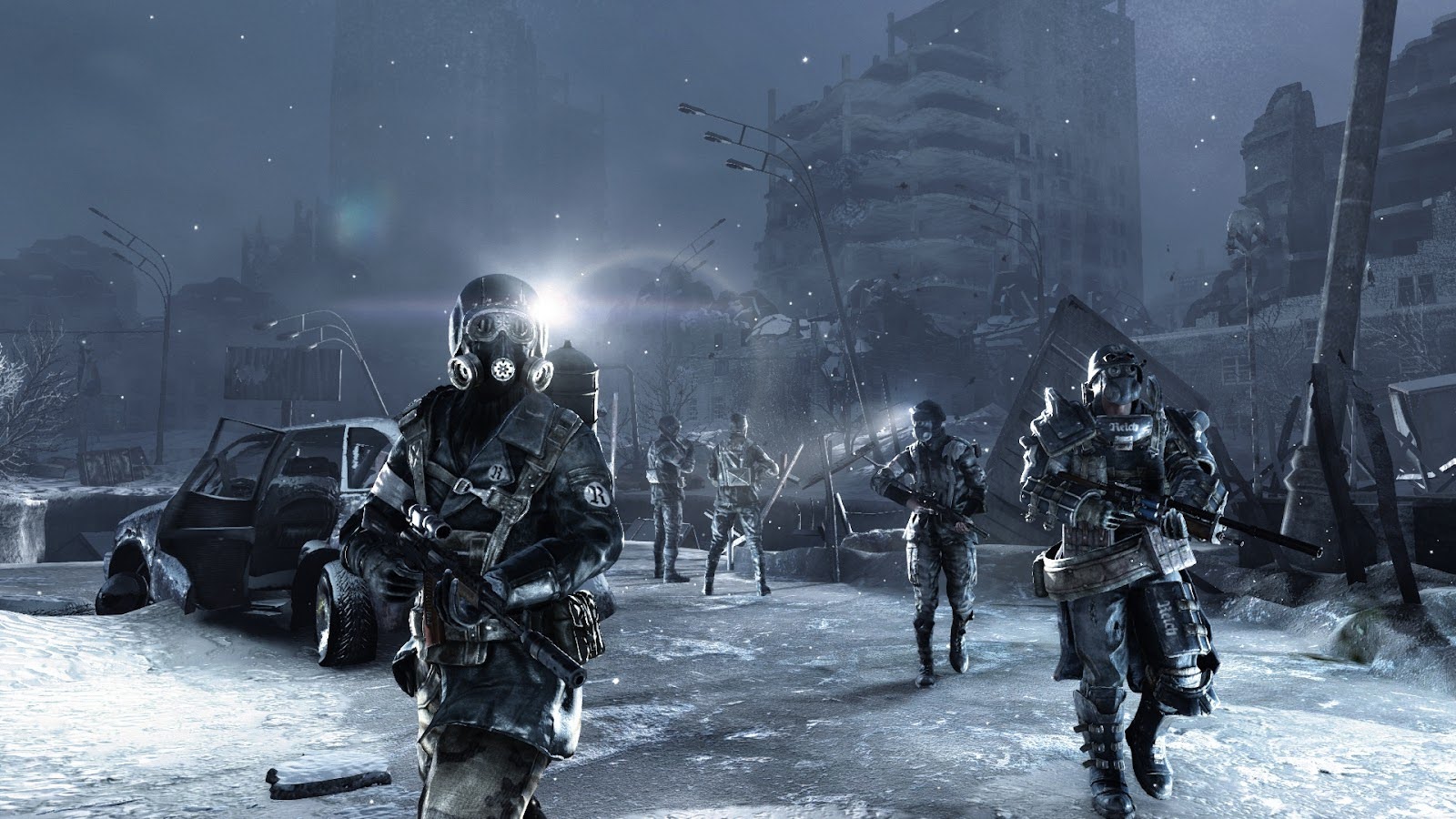
Metro 2033 is a game that oozes pure atmosphere. The majority of the game takes place in a dystopian subway system underground. It’s hard to describe exactly, but the feeling of dread that this game evokes is on another level. This game is incredible. Few things are as gripping or as unnerving as facing off against unseen, deadly creatures in the tight, shadowy confines of subway tunnels and forgotten facilities. There are so many memorable moments in the game and it feels like a real hero’s journey. It plays on limited supplies and a constantly changing environment to keep the player on edge. In these sequences, the game feels at its most alive: you catch only faint, guttural noises in the dark before shapes suddenly burst into your limited field of light. These moments stand out as the most memorable and exhilarating in the entire experience. Even after you survive a firefight or narrowly escape a mutant ambush, there’s always this lingering sense that something even worse is waiting just around the corner.
Fallout 4 (2015)
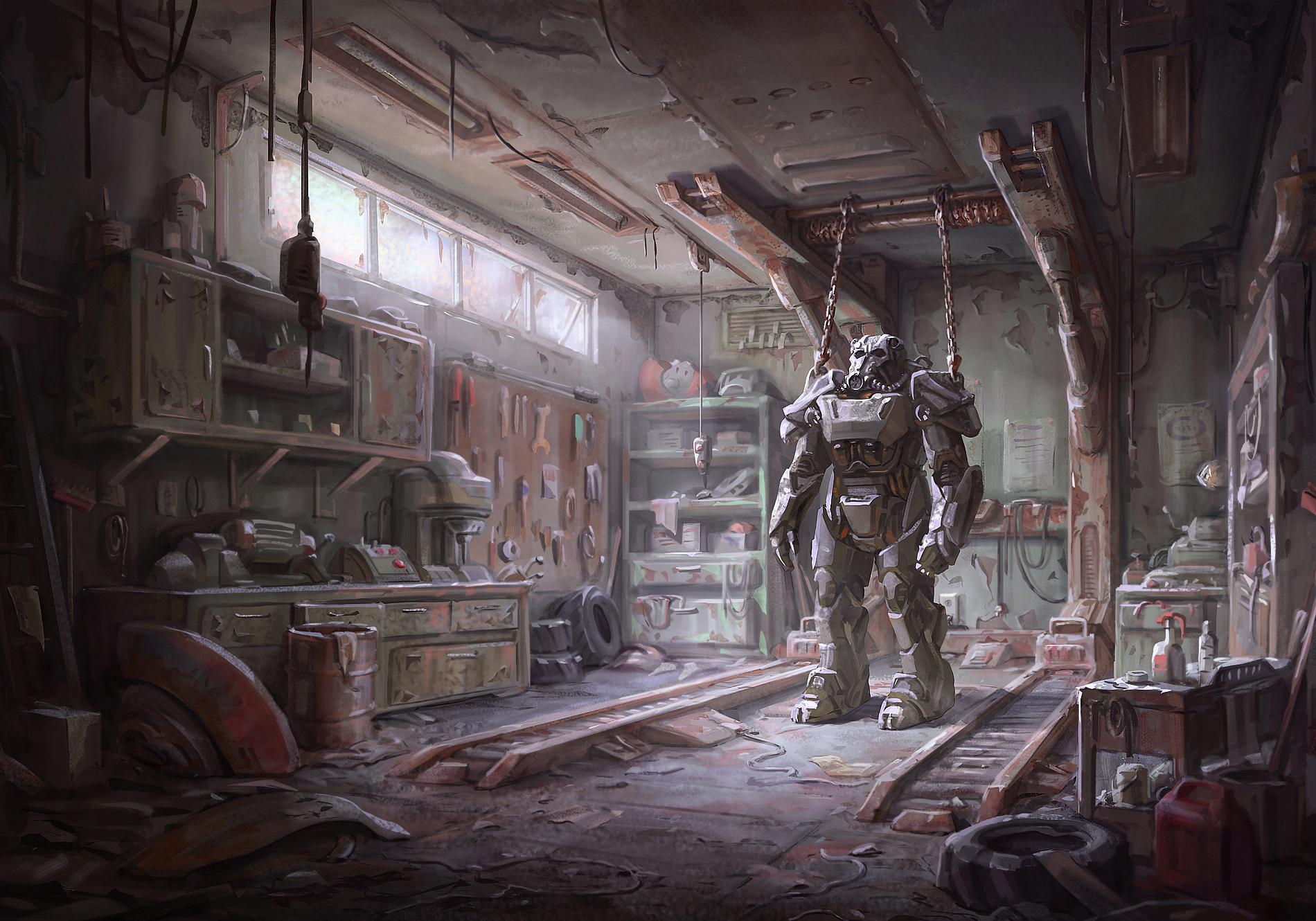
Fallout 4 hit me at a time when I wanted a game I could live in. A world that I could lose myself in. I thoroughly enjoyed Fallout 4 because of the heavy exploration factor. There is so much depth in the Bethesda games and it always makes for a memorable experience. I loved the slow rhythm of scavenging and modding weapons, making my own weirdly cozy settlements in a world that was fundamentally broken. The game had this balance of melancholy and absurdity, a Bethesda staple that can also be found in the Elder Scrolls series as well. The mix of serious and silly always stood out for me. One moment you’re sifting through the ashes of someone’s backstory the next you’re fighting a giant irradiated mutant with a rocket launcher. I also wanted to show appreciation for the soundtrack. There is the notable Diamond City radio that features music I still listen to. The playlist can be found on Spotify.
Red Dead Redemption 2 (2018)
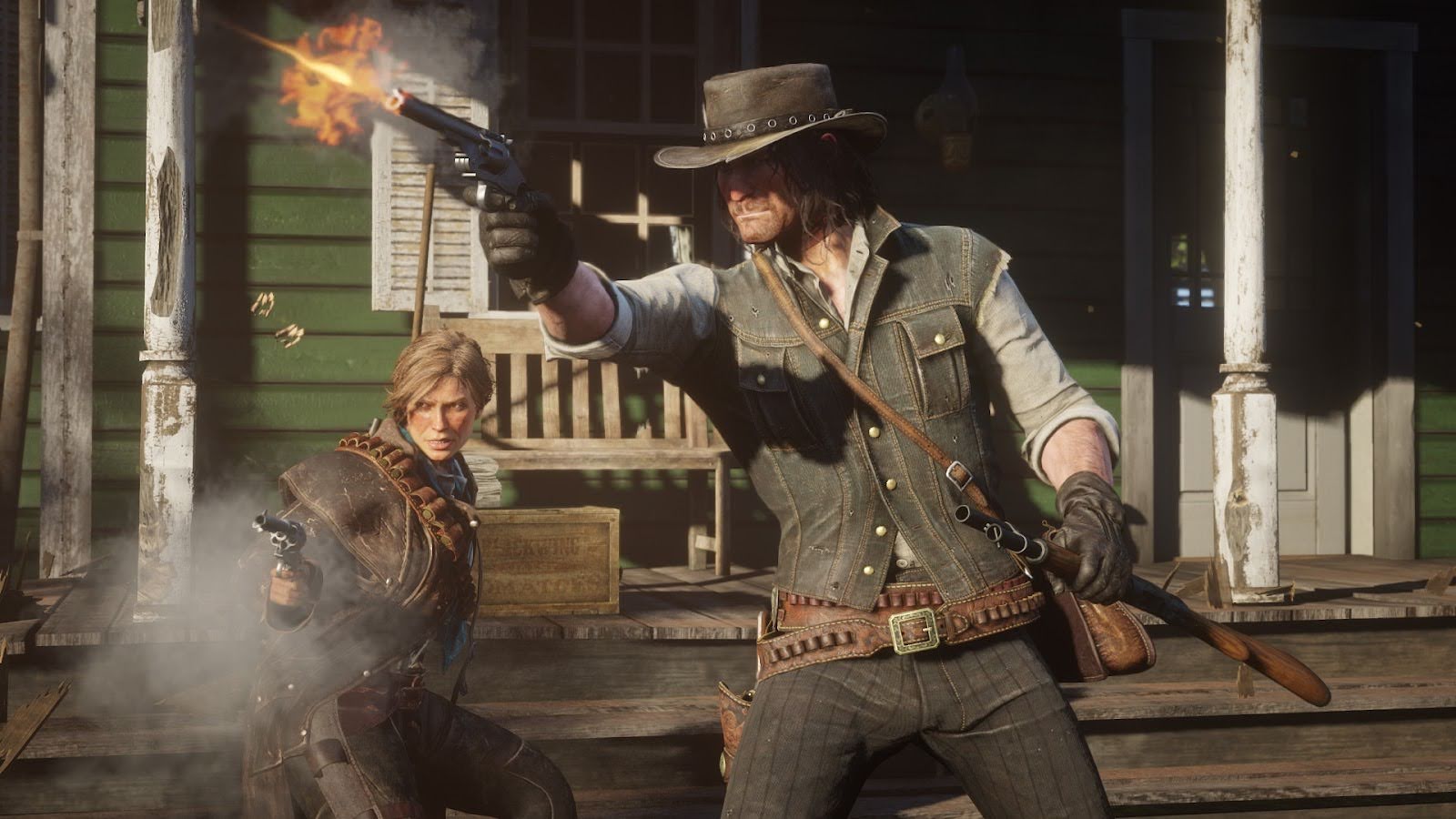
Red Dead Redemption 2 is one of the most meticulously crafted open-world games ever made. The game begins in the freezing mountains of Colter, where Arthur Morgan and the Van der Linde gang are struggling to survive a brutal snowstorm. From there, it slowly opens up into a vast frontier filled with richly detailed environments: muddy back alleys in Valentine, mist-covered swamps in Lemoyne, and sun-baked plains out in New Austin. The story is grounded in small character interactions, talking to Sadie after a mission, chopping wood at camp, or listening to Dutch give a speech by the fire. You don’t just play as Arthur Morgan; you learn his routines, explore his past, and see his worldviews shift as the gang begins to fall apart. Every hunt, train robbery, or random encounter reinforces the theme of an outlaw era that’s dying out. Small touches, like Arthur nervously coughing in later chapters or the way townspeople recognise you depending on your past actions, make the world feel reactive and alive. It’s the kind of game where the quietest moments, riding across a foggy field at dawn while a song plays, hit just as hard as the big shootouts. One of my favourite missions is when you are in the swamp and have to fight the giant alligator.
Words by Sebastian Sommer
We’re trying to raise £200 a month to help cover our operational costs. This includes our ‘Writer of the Month’ awards, where we recognise the amazing work produced by our contributor team. If you’ve enjoyed reading our site, we’d really appreciate it if you could donate to The Indiependent. Whether you can give £1 or £10, you’d be making a huge difference to our small team.