
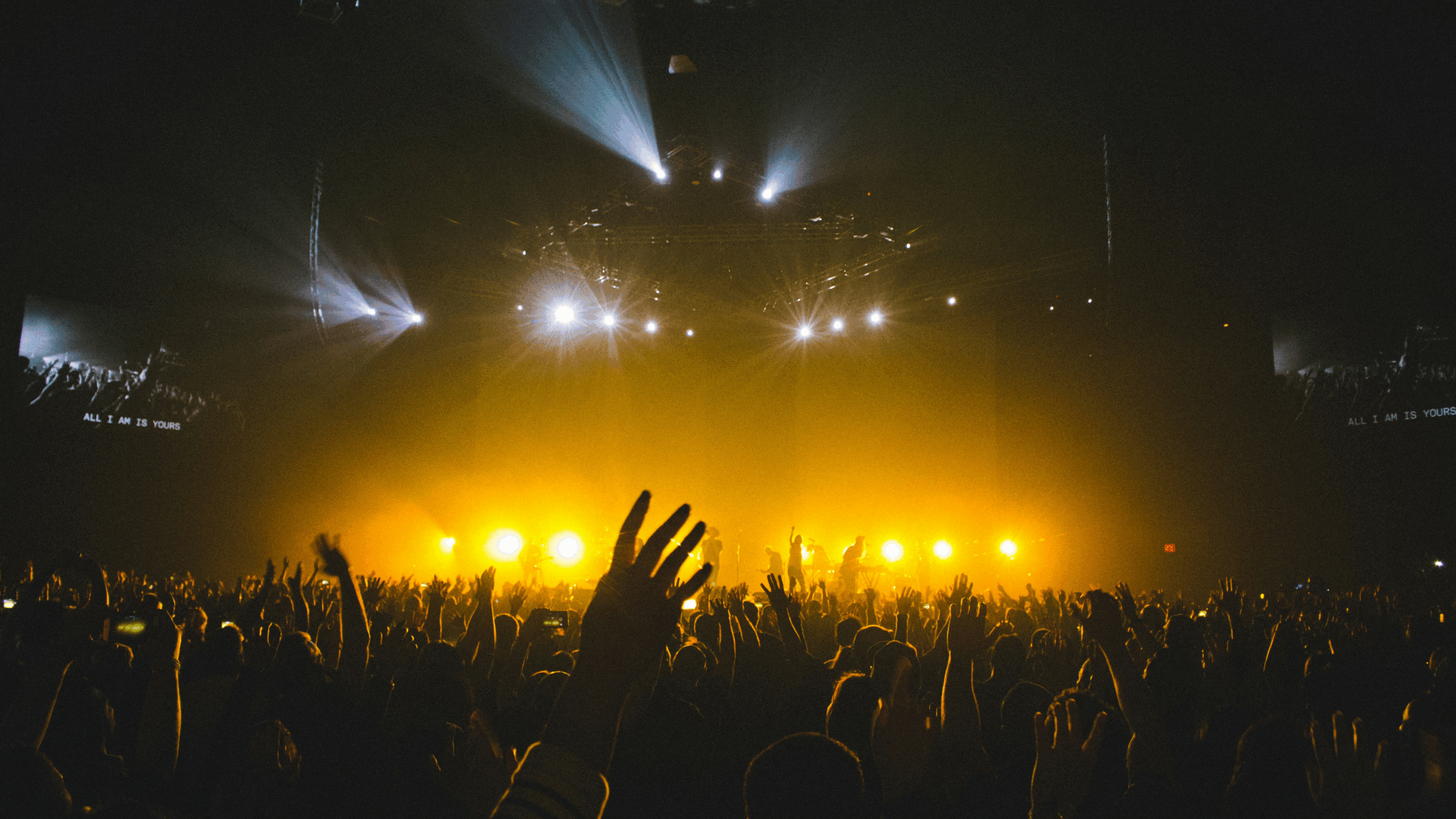
Oasis reformed on the 27th of August 2024, and within a week, all British media attention shifted toward the news. The news was not, however, welcomed by all. Conor Deegan III, the bass player of Fontaines D.C., told NME that “I’m not excited about it, either, to be honest. I feel like we get caught in the last era – like the ’10s – and into such a nostalgic thing that we’re forgetting to make new things.” His frustration encapsulates a broader issue. Nostalgia, when prioritised over new ideas, shifts the media’s focus away from the new and back onto the old. It suggests that, rather than looking forward, we are constantly looking back. In doing so, we risk squandering the opportunity to innovate.
That being said, the evident joy expressed by the crowds of people during Oasis’ new tour is inescapable. It leaves you questioning whether escapism is perhaps more important than progression or innovation. In an age where the here and now feels inescapable courtesy of never-ending news cycles and social media feeds, perhaps gigs or live events that offer an opportunity to return to what feels like a less complicated and more comfortable past are to be celebrated. The tug of war between the past and the future is often at the heart of popular culture, but indulging in nostalgia is a more contemporary phenomenon. The fact that bands of the ’90s are so popular today is testament to this idea.
The consistent popularity of Oasis and other acts from that era suggests that, for many people, this may be what they are looking for. The past seems to be impossible to untangle from this kind of escapism. Unfortunately, this comes at the detriment of the event. Coupling the past with a form of escapism automatically places the present at odds with the consumer and makes it an uncomfortable place to be. Part of this nostalgic trend is therefore driven by a desire for stability in a world that feels increasingly unstable, particularly for Gen Z. As the climate crisis threatens the future of the planet and politics threatens the future of democracy, it is easier to embrace the comfort of what is familiar than to face the uncertainty of the present and future.
This comfort, though, comes at a cost. It limits cultural collaboration and the creation of new styles. In the past, different cultural traditions would mix to create new forms of expression. This became a well-established artistic tradition, albeit one that became as much based in theft as well as fair exchange (think of how much Elvis Presley owes to Black musicians from the 1930s and 1940s). Musicians across the decades have also faced accusations of cultural appropriation from a range of sources. As we become more aware of the potential insensitivities of appropriating other cultures, the past becomes arable and usually less controversial land from which to farm new trends. As we stop looking for ‘where’ to find cultural innovation, we perhaps are starting to look more for ‘when’.
This relaxed (and admittedly popular) slide back into the past stifles the exploration of delicate topics that could produce interesting and progressive work. In the end, the most accessible, or at least simple, avenue for cultural expression becomes the past. So, instead of pushing the boundaries of what’s possible, we are left stuck in a cycle of revisiting and reinterpreting what came before. Whether that be the fact that cinema has become stuck in a perpetual cycle of rebooting legacy titles, or TV rebooting tried-and-tested franchises like with the HBO reboot of Harry Potter. This focus on nostalgia, or reluctance to try something new, has created a cultural landscape where the consumer is given an array of nostalgic options at the cost of the “new.” The result is a culture that is less about innovation and more about comfort; about creating art that reflects what we already know, rather than what we could discover. While nostalgia can be a powerful tool for emotional connection, it should be used to articulate ideas that evoke or challenge the past rather than simply idealise it.
The role of our phones in perpetuating nostalgia cannot be overstated. Unlike traditional media, which allow us to revisit the past in carefully scheduled and curated doses, our phones offer a constant stream of reminders. Memories and cultural artefacts are always within reach and prove addictive. The ephemera of the past, whether it’s a song, a photograph, or a moment from a previous time, is now something that we carry with us, everywhere we go. In a world where everything is constantly accessible, it is easier to find solace in what we already know than to take the risk of stepping into the unknown. Our phones encourage us to hold onto the past, as they constantly reflect it back to us. This blurring of past and present can make it harder to focus on the future, especially when everything we experience on our phones reinforces the idea that the past is more comforting than the uncertain future.
Ultimately, the dominance of nostalgia underscores a broader issue. The past is no longer just something we hold in our memories or learn from history, but an active creative and commercial force that shapes our present and future. As long as we continue to be immersed in the past through our phones, our media, and our cultural touchstones, we may find ourselves trapped in a cycle that limits our ability to move forward. Nostalgia is not inherently negative, but its unchecked prevalence may prevent us from fully embracing the future and the new ideas it holds. The challenge for the next generation will be finding a way to balance the comfort of the past with the urgency of creating something new. Nostalgia can offer a great outlet and an interesting prism through which to engage with each other, but it should not prevent new opportunities from being created and new ideas from being shared.
Words by Eddie Monkman
Support The Indiependent
We’re trying to raise £200 a month to help cover our operational costs. This includes our ‘Writer of the Month’ awards, where we recognise the amazing work produced by our contributor team. If you’ve enjoyed reading our site, we’d really appreciate it if you could donate to The Indiependent. Whether you can give £1 or £10, you’d be making a huge difference to our small team.