
Reckoning with an ending is an inevitable, if not always welcome, tussle. Some deal with change better than others but more often than not, an ending, for better or for worse, is what leaves the greatest imprint on how we look back at an experience. This theory was demonstrated in a 1993 study, the ‘peak-end rule,’ a psychological heuristic developed by Daniel Kahneman and Barbara Frederikson that proved people remember an experience based on how they felt at its peak and at its end.
In Japan, the word ‘jushu‘ expresses this idea but celebrates the social and personal value of coming to terms with an ending by acknowledging and accepting the change. However, in contrast to this concept, in modern popular culture, conclusive endings are becoming altogether rarer. TV shows increasingly defy the classic narrative structure of beginning, middle, and end, opting instead to extend the middle and drift toward spin-offs, stage shows, or films.
This theory may be an inevitable byproduct of television based around multiple seasons, but such open endings were not always so common. An Italian Job-style cliffhanger was once a niche, slightly tongue-in-cheek choice of closing a story: a deliberate opt-out of the classic narrative structure that offered a unique reflection for the audience to take with them.
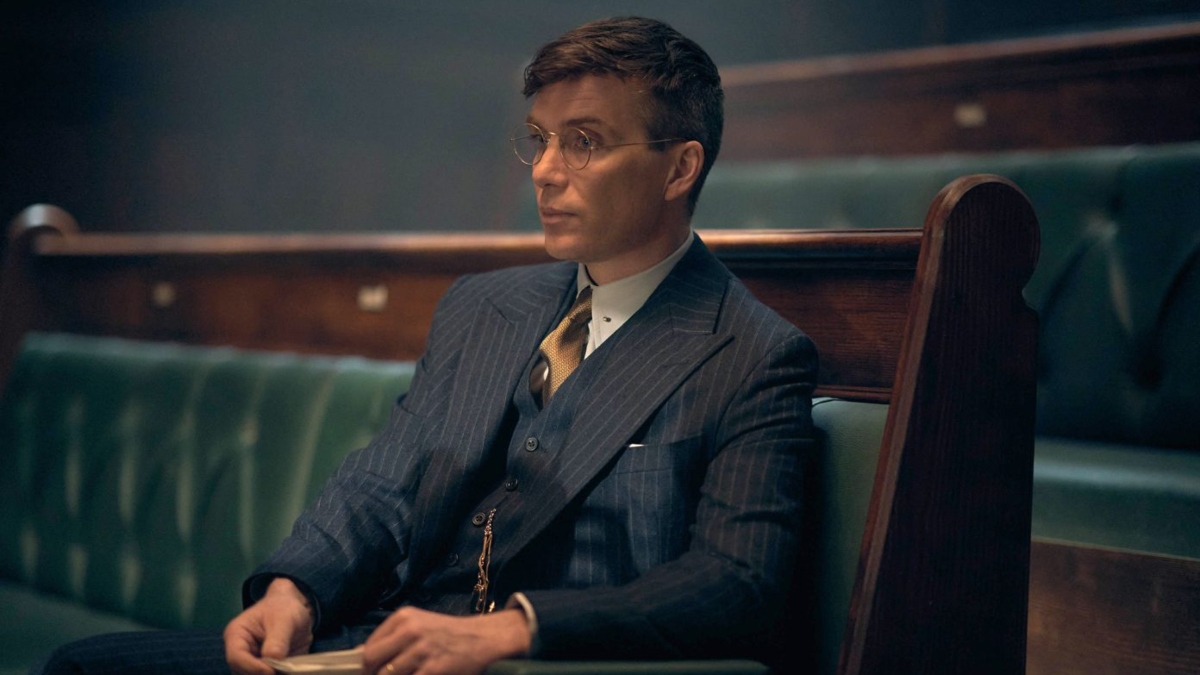
Peaky Blinders is a good example of a show that gained immense popularity for its intricate narrative and compelling characters, yet its final season left audiences hanging. The story was not resolved but instead paused, insisting on its continuation through a planned cinematic release. Rather than offering closure, the series opted to extend its narrative indefinitely, leaving viewers with a sense of incompleteness.
However, the influx of ‘cliffhanger’ or ‘non-endings’ that has populated streaming platforms in recent years is not, I believe, down to stylistic choices but instead a result of how audiences now consume entertainment. An ending is a line in the sand that pop culture eventually moves past. In an age where relevance and attention equate to economic value, there is little sense in a production company ending a financially profitable series and risking starting anew. The quality of storytelling and the valuation of a classic narrative structure often lose out in a boardroom.
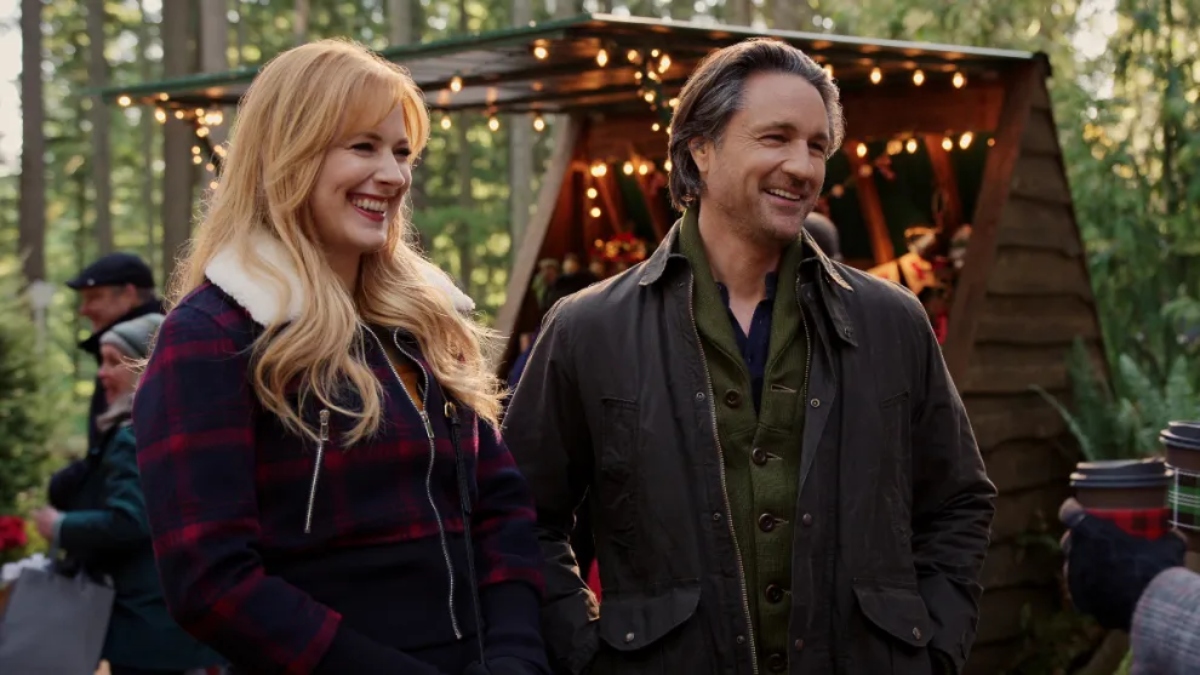
A clear example of a meandering series is Virgin River, Netflix’s longest-running original drama, recently renewed for its eighth season. The series isn’t built on tightly plotted arcs or providing narrative closure but on the comfort of staying within its small-town world. It draws a comparison with traditional soap dramas as storylines meander and cliffhangers pile up but not to push the narrative forward, but instead to keep viewers returning to a familiar environment. This reflects the economics of streaming: the show doesn’t need a sharp conclusion to satisfy its audience, only the promise of more time in the world of the show.
Cinema used to be the primary means by which people viewed films, and it was in the interest of both the cinema and the filmmaker to have their film shown as often as possible. Therefore, there was value in limiting the runtime of a film, hence the classic 90-minute format. However, streaming platforms reward ‘time on screen,’ the length of time people spend on a specific piece of content. This has resulted in films becoming longer and longer. In music, the reverse is true. Songs are rewarded for being shorter since each play equates to pay. Fifty years ago, artists only had to ensure their song fit on one side of a vinyl, and they’d be paid the same regardless of length. The lengthening of films makes for an uncomfortable cinematic experience, but in the comfort of one’s home, with the power to pause for a cup of tea or return later, this is less of an issue.
The ‘time on screen’ model also disincentivizes TV shows to end and, further still, rewards long, meandering series with multiple subplots that can be continued (or not) further down the road. The art of tight, intricate storytelling risks being lost here. If the economics promotes ‘time on screen,’ then, of course, good shows and good films still have to be made to attract and hold attention. But with particular regard to TV, there is also an incentive for creators to leave as many elements in play to open the door for more and more seasons to be made.
This shift means that audiences become more comfortable existing in the middle section of the narrative. Character arcs and plot points can be left unresolved as audiences grow used to the feeling of existing in the world of their show, rather than being viewers invested in a complete narrative. The changing nature of how audiences watch shows must also be a factor. Smaller screens and distracted eyes mean that a show can demand less of the audience’s attention, leading to looser characters and more tangential plot points. But engaged audiences are not always rewarded for their attention either.
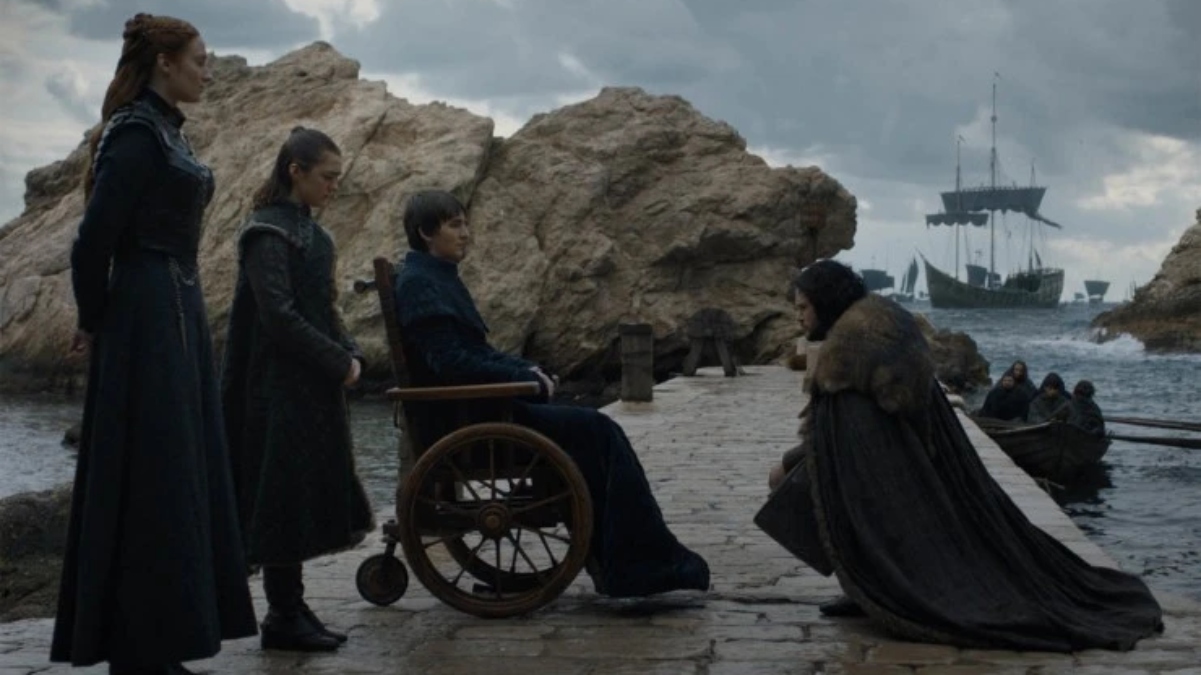
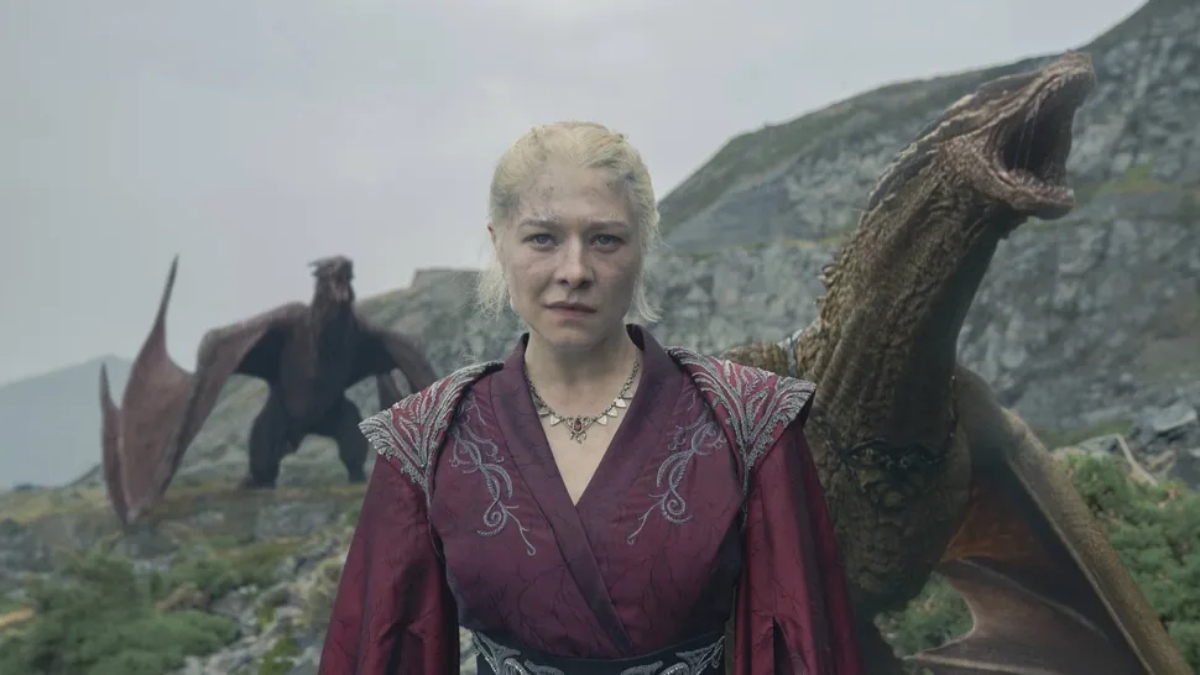
The infamous ending to Game of Thrones was widely criticised for being rushed, leaving major character arcs unresolved and key narrative threads poorly tied together. After six ten-episode seasons, the show opted for two final seven and then eight-episode seasons, offering nowhere near enough time to resolve major plot lines, character arcs, and subplots. For a series that had meticulously built its world and story over nearly a decade, its ending felt like a betrayal of the audience’s investment. Yet, rather than letting the story rest, the Game of Thrones universe is now producing spin-offs such as House of the Dragon which itself has been criticised for stretching out the storyline in order to produce more content whilst continuing to expand the franchise and leaving the original narrative unsatisfactorily concluded.
Perhaps this signifies that audience tastes are changing. Rather than demanding sharp narratives, maybe audiences want a world in which they can immerse themselves for a little while. The ‘Instagram-ification’ of culture perhaps suggests that younger audiences might prioritise an engaging aesthetic, relatable and attractive characters, and a world they wish to be part of over a storyline that demands complete attention. This may well be an exciting and interesting challenge for young creators to contend with – or it may not be.
The shift to a looser narrative structure has not taken hold entirely just yet, as we can still see the value of a well-done, well-timed ending in shows such as Fleabag and Succession. Fleabag ran for just two series. It was brilliantly written with a tight, sharp narrative that followed a more classic structure. Succession, which ran for four series, did exactly the same. Both of these shows were celebrated at the time and are retrospectively lauded for their brilliance. Crucially, they understood that a good ending remains a fundamental part of any story.
Words by Eddie Monkman
Support The Indiependent
We’re trying to raise £200 a month to help cover our operational costs. This includes our ‘Writer of the Month’ awards, where we recognise the amazing work produced by our contributor team. If you’ve enjoyed reading our site, we’d really appreciate it if you could donate to The Indiependent. Whether you can give £1 or £10, you’d be making a huge difference to our small team.